2026

Building a Global Food-Tech QSR Waffle Chain: The Waffle Up Strategy
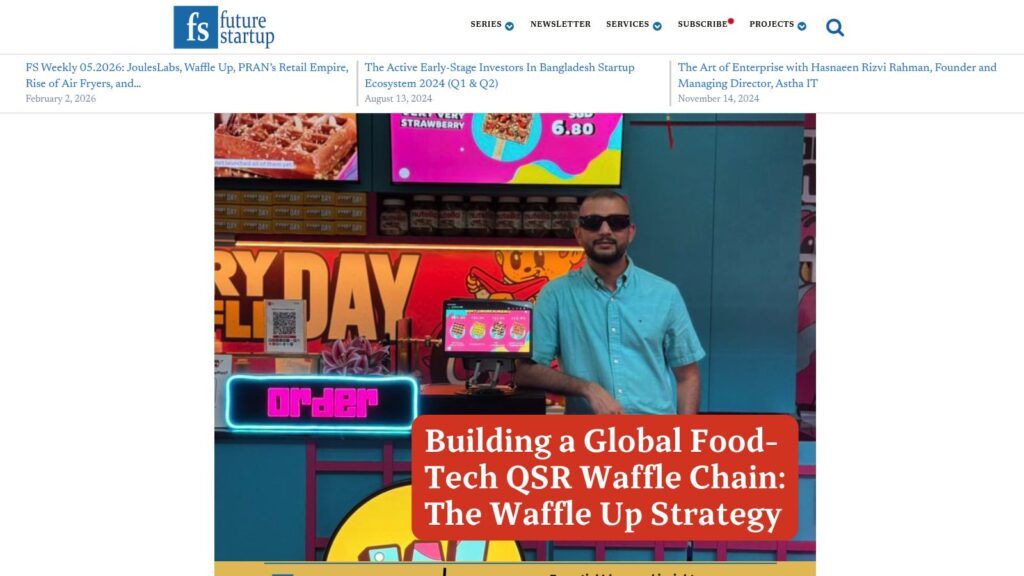
Waffle Up is a Singapore-based food-tech QSR brand specializing in waffles, operating primarily from Bangladesh. It seeks to create a global brand similar to Krispy Kreme but structured differently by leveraging operational and technological innovations rather than traditional real estate investments. Founded by Salman Goni, the company emphasizes data infrastructure, standardized recipes, and operational procedures to ensure consistency and scalability. Waffle Up identifies an opportunity in the fragmented global waffle market, employing strategies like a warehouse-to-outlet model instead of a central kitchen. The brand combines local talent and technology to streamline operations and aims for measured expansions into new markets while maintaining profitability and brand integrity.
https://futurestartup.com/2026/02/01/building-a-global-food-tech-qsr-waffle-chain-the-waffle-up-strategy/

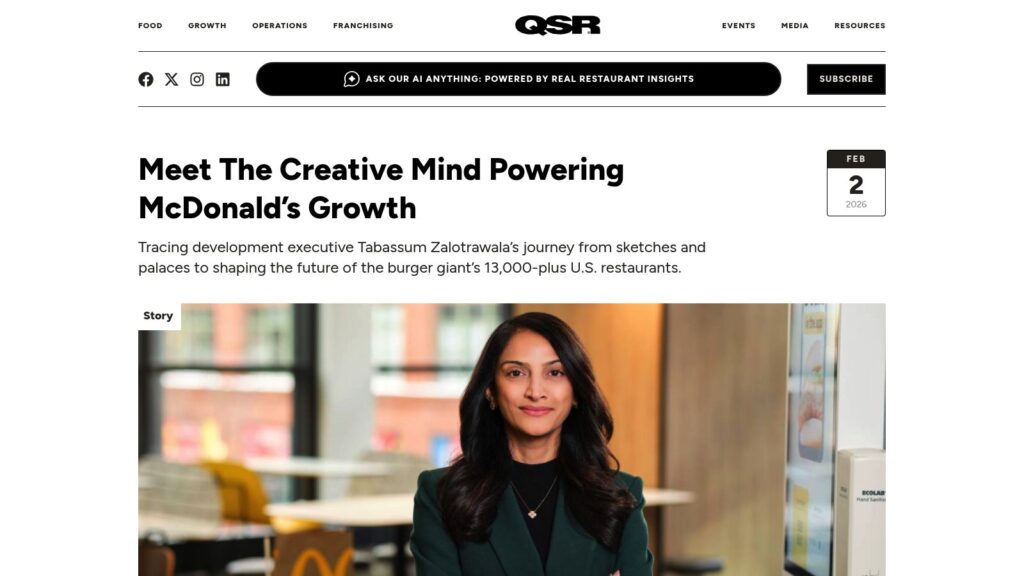
Meet The Creative Mind Powering McDonald’s Growth

TLDR: Tabassum Zalotrawala, McDonald’s Chief Development Officer since 2023, merges creativity with operational strategy to modernize over 13,000 U.S. restaurants. Her background spans high-end projects and leadership roles at Chipotle and Panda Express, emphasizing design, technology, sustainability, and community connection. She advocates for courage and respect in leadership while focusing on creating meaningful experiences for customers and employees.

https://www.qsrmagazine.com/story/meet-the-creative-mind-powering-mcdonalds-growth/

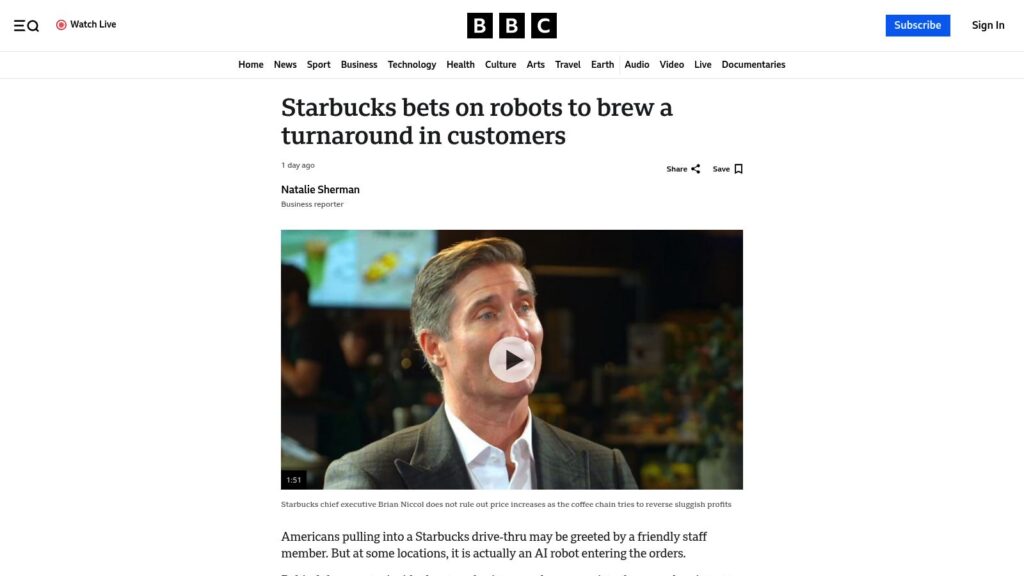
Starbucks Bets on Robots to Brew a Turnaround and Win Customers

Starbucks is investing in AI and technology to boost customer experience and profits amid slow sales. CEO Brian Niccol plans to save $2 billion over three years while enhancing efficiency and maintaining a personal touch. After price increases and operational changes, sales rose recently. The company faces union challenges and scrutiny over executive pay but aims to grow globally with a focus on community engagement in its stores.

https://www.bbc.com/news/articles/cew8qzdxnnjo

Field Testing in QSR: McDonald’s Leading the Way

McDonald’s is integrating geofencing technology into its mobile application testing strategy to enhance digital engagement and improve customer experience. Geofencing enables contextual interactions, such as push notifications and order-status updates, validating key digital experiences, such as curbside pickup and drive-thru Ready On Arrival. This approach ensures high-quality deployments, accelerates issue detection, and strengthens confidence in digital experiences.

https://www.ijert.org/field-testing-in-qsr-mcdonalds-leading-the-way-ijertv15is010508

One in 12 UK Diners Admit Dining and Dashing, Survey Finds

1 in 12 UK diners have admitted to ‘dining and dashing,’ with a survey finding 8% confessing to leaving a restaurant without paying. The trend, attributed to factors like booking issues and payment preferences, could cost the industry £13.6 billion. Men (9%) and those aged 35-44 are most likely to engage in this behavior. While London has the highest incidents, overall consumer preferences indicate a desire for human interaction over technology in dining experiences. Transparency about tipping and service charges is deemed essential to strengthen customer trust.

https://www.thedrinksbusiness.com/2026/01/one-in-12-uk-diners-admit-dining-and-dashing-survey-finds/

Restaurant Labor in 2026 Becomes a Race to Do More With More

Restaurant labor costs are rising, with 96% of operators reporting increased expenditures. Strategies to cope include improving employee productivity (35%), cross-training (34%), and retaining staff (30%). Technology adoption focuses on efficiency—using tools like order-ahead systems and QR codes—rather than replacing staff. Staffing challenges persist, with many restaurants short on servers and turnover rates slightly increasing. Operators are optimizing labor management and enhancing employee satisfaction through competitive wages and flexible scheduling.

https://www.fsrmagazine.com/feature/restaurant-labor-in-2026-becomes-a-race-to-do-more-with-more/

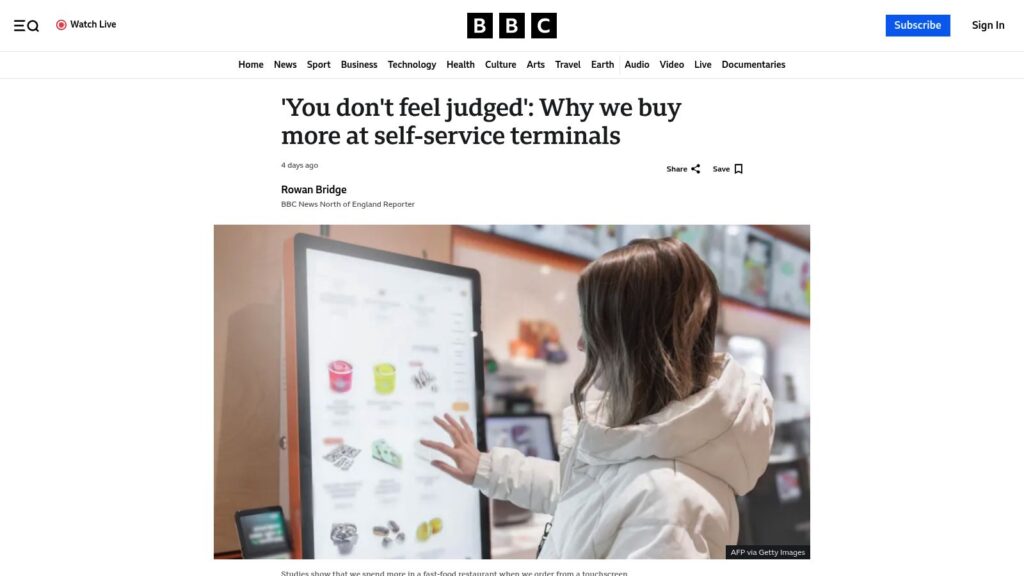
‘You Don’t Feel Judged’: Why We Buy More at Self-service Screens

Self-service terminals in restaurants boost sales due to reduced social judgment and effective upselling. Behavioral science reveals customers spend more when purchasing via touchscreens compared to traditional tills, as they feel less pressured to decline extras. Terminal features, such as appealing product imagery and persistent upsell prompts, enhance the shopping experience. This influence is evident across various sectors, with applications of behavioral science driving consumer choices and improving engagement with products.

https://www.bbc.com/news/articles/cy9y1wvq3pdo

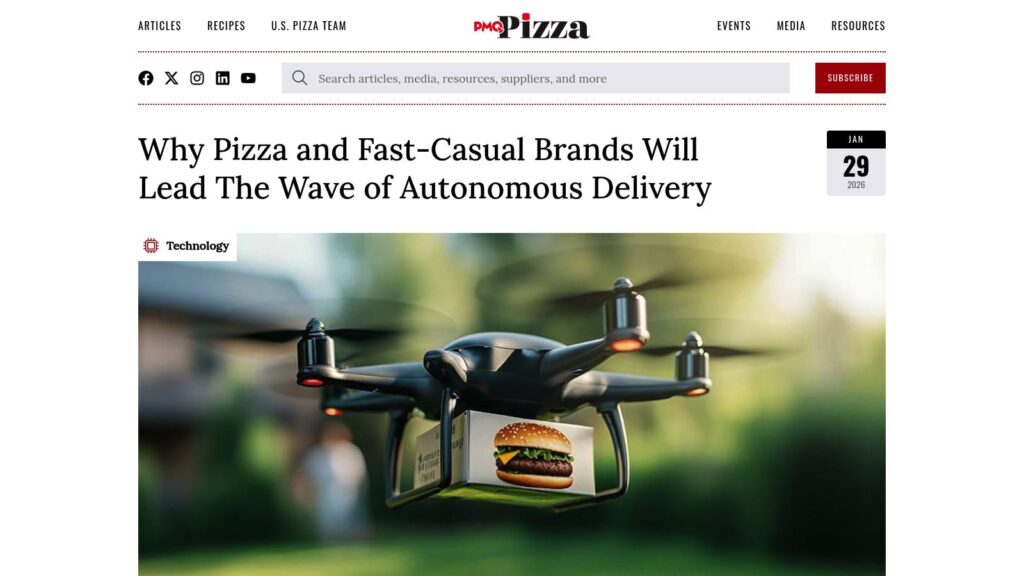
Why Pizza and Fast-Casual Brands Will Lead The Wave of Autonomous Delivery

Pizza and fast-casual brands are poised to lead in autonomous delivery due to their infrastructure, order density, and hybrid dispatch systems. Current delivery evolution has reached Delivery 2.0 with intelligent software for routing orders, while Delivery 3.0 will integrate autonomous vehicles and AI for improved logistics. The key to success will be sophisticated dispatch intelligence to manage diverse delivery methods. Operators must invest in hybrid orchestration and API systems now to avoid falling behind as technology rapidly advances.

https://www.pmq.com/why-pizza-and-fast-casual-brands-will-lead-the-wave-of-autonomous-delivery/

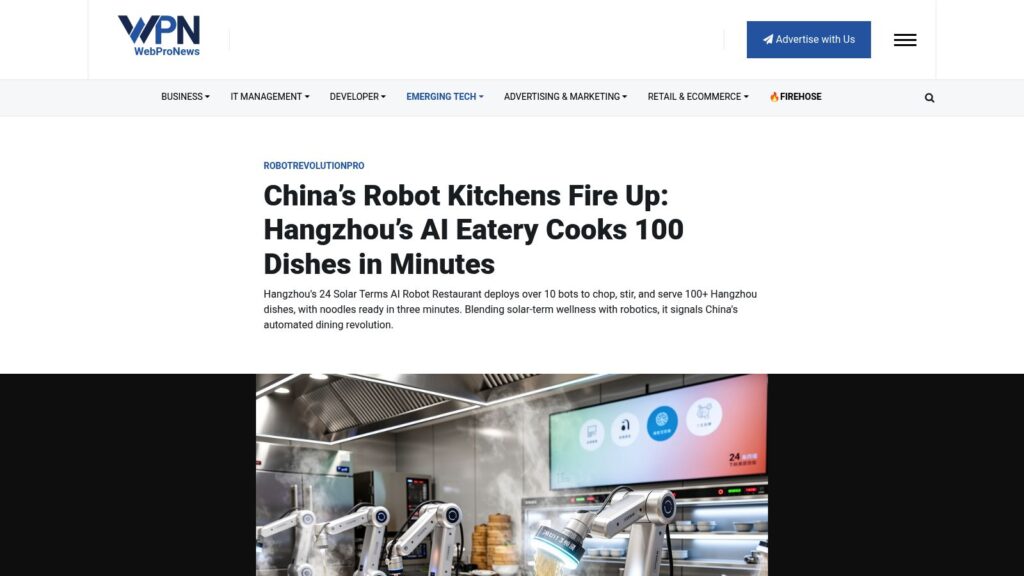
China’s Robot Kitchens Fire Up: Hangzhou’s AI Eatery Cooks 100 Dishes in Minutes

China’s Hangzhou introduces the 24 Solar Terms AI Robot Restaurant, where over 10 robots prepare 100+ dishes, including noodles in three minutes. This automated venue combines traditional wellness concepts with modern robotics, tackling labor shortages and food costs. The robots handle everything from cooking to cleaning, providing consistent quality. The restaurant’s unique use of AI for customized meal suggestions furthers the dining experience. As robot dining expands in China, the venue illustrates a shift towards efficient, tech-driven food service, facing challenges while reshaping the culinary landscape.

https://www.webpronews.com/chinas-robot-kitchens-fire-up-hangzhous-ai-eatery-cooks-100-dishes-in-minutes/

Robot Restaurant in China Handles Cooking, Serving, and Cleaning

China’s “AI Robot Restaurant” in Hangzhou features robots cooking, serving, and cleaning, demonstrating a fully automated dining experience. Opening on Jan. 13, it aims to address labor shortages while maintaining traditional flavor. Eight robots handle over 60% of operations, with a focus on consistency and speed. This trend indicates a growing interest in robotics in the dining industry across China.

https://www.eweek.com/news/china-ai-robot-restaurant-hangzhou/

Scroll to Top