trends

Evolution of the LTO: How TikTok Is Driving Menu Innovation

TikTok has revolutionized limited-time offers (LTOs) in quick-service restaurants by enabling customers to drive menu innovation through viral videos showcasing creative customizations and secret menu hacks. This shift has accelerated LTO development timelines, forcing brands to adopt agile marketing strategies, invest in social listening teams, and adapt operations quickly to capitalize on trends sparked by consumer-generated content. As a result, visual appeal and authenticity have become crucial, with customers now significantly influencing brand perception and marketing success.

https://www.qsrweb.com/articles/evolution-of-the-lto-how-tiktok-is-driving-menu-innovation/

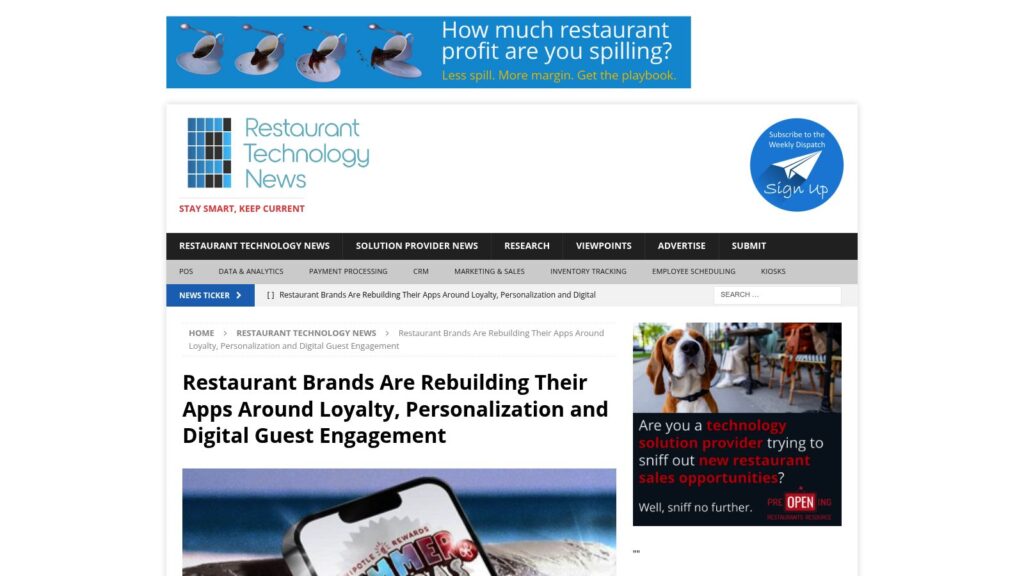
Restaurant Brands Are Rebuilding Their Apps Around Loyalty, Personalization and Digital Guest Engagement

Leading restaurant brands are redesigning their mobile apps to focus on loyalty, personalization, and digital guest engagement beyond basic ordering convenience. These apps now serve as comprehensive platforms integrating gamification, targeted rewards, exclusive access, and community-building features to deepen customer relationships, gather first-party data, and drive repeat visits while reducing reliance on third-party channels. This shift reflects the growing importance of branded apps as strategic marketing tools and direct engagement hubs that personalize offers, track guest behavior, and support dynamic, seasonally-driven campaigns.

https://restauranttechnologynews.com/2026/07/restaurant-brands-are-rebuilding-their-apps-around-loyalty-personalization-and-digital-guest-engagement/

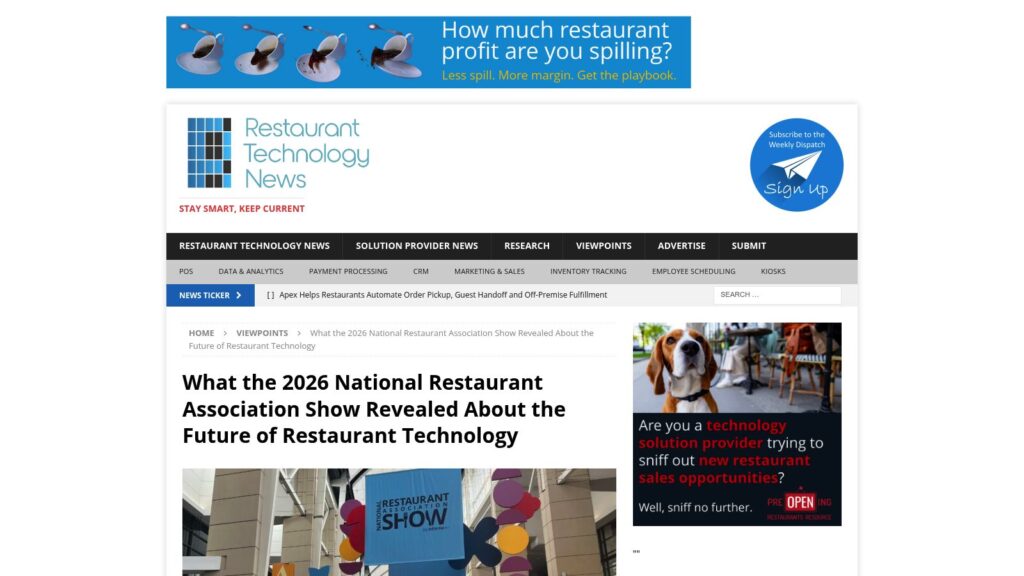
What the 2026 National Restaurant Association Show Revealed About the Future of Restaurant Technology

The 2026 National Restaurant Association Show highlighted a shift in restaurant technology toward integrated, operational solutions that address labor challenges, cost management, and growing digital complexity. Innovations in AI, robotics, connected POS systems, and back-office tools focus on automating workflows, enhancing profitability, and improving consistency across kitchen operations, guest engagement, payments, and labor management. The event underscored that the future of restaurant technology lies in connected ecosystems simplifying management for operators rather than adding complexity.

https://restauranttechnologynews.com/2026/06/what-the-2026-national-restaurant-association-show-revealed-about-the-future-of-restaurant-technology/

Seven QSR Trends Shaping Strategy in 2026

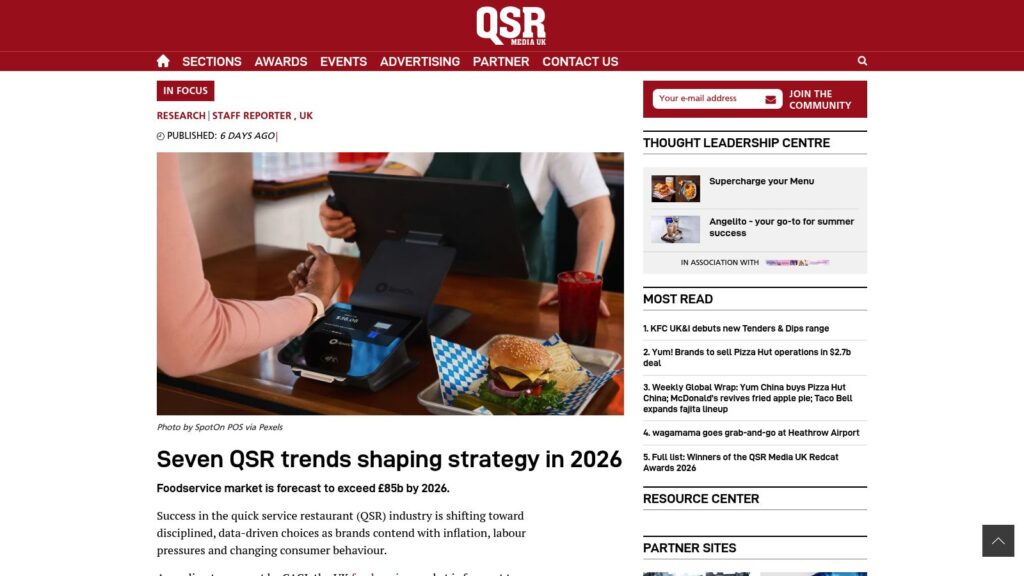
The UK quick service restaurant (QSR) sector is projected to exceed £85 billion by 2026, driven largely by delivery and drive-thru formats despite ongoing cost pressures from labor and food inflation. Key trends shaping strategy include advanced AI integration for demand forecasting and labour scheduling, multi-channel customer engagement emphasizing seamless digital and physical experiences, localized value pricing, increased focus on sustainability, and tailored health-conscious menu options. Operators are prioritizing data-driven, locally optimized decisions and balancing automation with human interaction to enhance speed, accuracy, and service quality amidst evolving consumer behaviors.

https://qsrmedia.co.uk/research/in-focus/seven-qsr-trends-shaping-strategy-in-2026

Plant-based Burgers Made with Vegetables

Fast-food chains like White Castle, Culver’s, and Shake Shack are shifting from plant-based meat analogs to more vegetable-focused burgers, reflecting consumer demand for natural ingredients and distinctive flavors. This trend follows a decline in popularity of faux meat patties from brands like Impossible Foods and Beyond Meat, with data indicating an 8.9% drop in imitation meat burger offerings year over year, as QSRs introduce items made from real vegetables and local produce.

https://www.nrn.com/fast-casual/plant-based-burgers-are-becoming-more-vegetable-focused-at-qsrs

The 1 Massive Mistake Fast-Food Chains Are Making Right Now, According to a Restaurant Executive

Tim Hackbardt, chief marketing officer at Playa Bowls, highlights that fast-food chains are failing to adapt to the rising use of GLP-1 medications, which significantly alter American eating habits and food spending. With about 23 percent of U.S. households already using GLP-1s and projections that users will account for 35 percent of food and beverage sales by 2030, Hackbardt stresses that the fast-food industry must respond to this lasting shift toward a health-focused consumer mindset.

https://www.inc.com/amaya-nichole/the-one-massive-mistake-fast-food-chains-are-making-right-now/91352753

Drive-thru Usage Up, Speed of Service Down

In 2011, drive-thru usage at quick-service restaurants increased by 2 percent to 12.4 billion visits, with chains like McDonald's and Popeyes investing in technology and multiple lanes to improve speed of service despite overall slower service times. Drive-thrus remain the preferred ordering method at hamburger, Mexican, and chicken restaurants, prompting operators to focus on order accuracy, fast delivery, and portable menu items to enhance customer satisfaction and profitability.

https://www.qsrweb.com/articles/drive-thru-usage-up-speed-of-service-down/

The State of Mobile Ordering in QSR: Which Brands Are Winning, and Where Opportunity Still Lies

The 2026 mystery shopper report by Intouch Insight, featured in QSR Magazine, evaluates mobile ordering in quick-service restaurants across nine major brands, focusing on order accuracy, speed, service, and overall experience. Findings show mobile ordering apps generally perform well with high accuracy and customer satisfaction, but issues like technical glitches, unclear pickup instructions, and late orders still create friction, reducing satisfaction. Friendly staff interactions can mitigate some negative impacts, and dedicated pickup lanes improve speed and service at certain locations, highlighting ongoing opportunities for operational improvements in mobile ordering.

https://www.qsrmagazine.com/story/the-state-of-mobile-ordering-in-qsr-which-brands-are-winning-and-where-opportunity-still-lies/

Why The National Restaurant Association Show Has Become a Reality Check for Restaurant Technology

The 2026 National Restaurant Association Show marks a shift in restaurant technology from futuristic innovation toward practical solutions aimed at stabilizing margins, simplifying operations, and managing labor shortages amid economic pressures. Operators are increasingly prioritizing integrated, interoperable systems that can deliver measurable financial improvements and operational resilience, such as handheld POS devices and self-service kiosks, while AI is becoming embedded in back-end operational tools rather than consumer-facing features. This evolution reflects a more disciplined, financially grounded approach to technology investment as restaurants seek simplification and operational effectiveness in a challenging business environment.

https://restauranttechnologynews.com/2026/05/why-the-national-restaurant-association-show-has-become-a-reality-check-for-restaurant-technology/

The QSR Refresher War Is Intensifying – Here’s Why

Quick-service restaurant (QSR) chains are increasingly competing with their own versions of fruit-forward refreshers, a trend popularized by Starbucks in 2012 and now mainstream across brands like Dunkin’, McDonald’s, and Panera. These colorful, often caffeinated beverages appeal to younger consumers, offering menu diversity and social media appeal, while the trend is evolving toward healthier, more functional ingredients and innovative flavors beyond traditional sweet and sour profiles.

https://foodinstitute.com/focus/the-qsr-refresher-war-is-intensifying-heres-why/

Scroll to Top