fast food

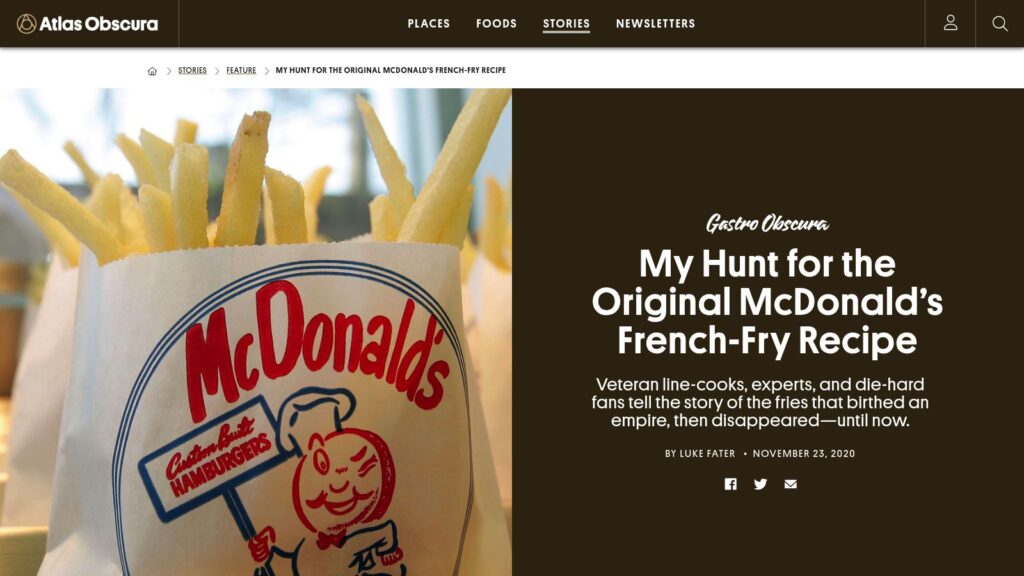
My Hunt for the Original McDonald’s French-Fry Recipe

McDonald's original french fries, famed for being cooked in 100% beef tallow, were a key factor in the chain’s early success but were discontinued over 30 years ago due to health concerns raised by activist Phil Sokolof. The switch from beef tallow to vegetable oil in 1990 marked a significant recipe change that diminished the fries’ distinctive flavor while introducing trans fats, which posed new health risks. Extensive research and insider accounts suggest that the original recipe, closely guarded by McDonald's, still exists in unofficial archives, though the company has not released it, and current fries differ markedly from the iconic original.

https://www.atlasobscura.com/articles/original-mcdonalds-french-fry-recipe

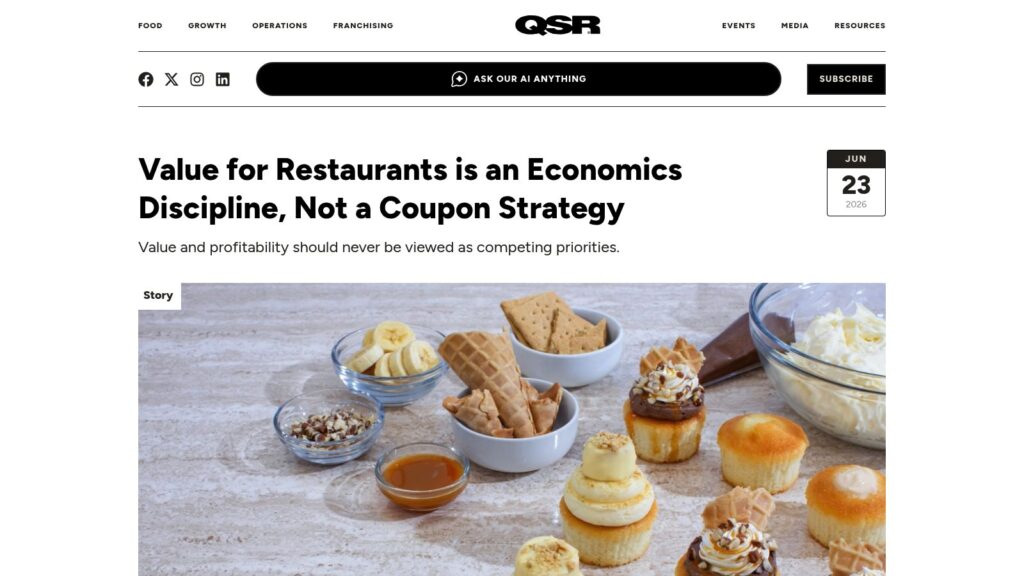
Value for Restaurants Is an Economics Discipline, Not a Coupon Strategy

Restaurant value should be treated as an economics discipline rather than just a coupon or discount strategy, as relying heavily on promotions can erode long-term profitability and customer loyalty. Operators face rising labor and food costs, and improving profitability requires focusing on operational efficiencies such as menu simplification and cost management instead of simply cutting prices. Sustainable growth depends on strong unit economics that balance delivering value customers perceive as worthwhile while maintaining healthy margins at the store level.

https://www.qsrmagazine.com/story/value-for-restaurants-is-an-economics-discipline-not-a-coupon-strategy/

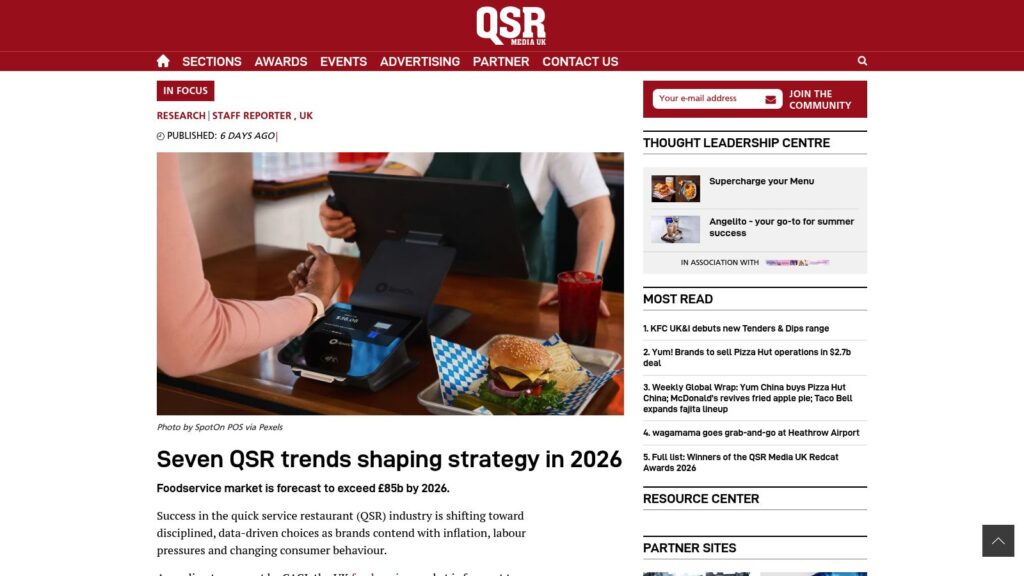
Seven QSR Trends Shaping Strategy in 2026

The UK quick service restaurant (QSR) sector is projected to exceed £85 billion by 2026, driven largely by delivery and drive-thru formats despite ongoing cost pressures from labor and food inflation. Key trends shaping strategy include advanced AI integration for demand forecasting and labour scheduling, multi-channel customer engagement emphasizing seamless digital and physical experiences, localized value pricing, increased focus on sustainability, and tailored health-conscious menu options. Operators are prioritizing data-driven, locally optimized decisions and balancing automation with human interaction to enhance speed, accuracy, and service quality amidst evolving consumer behaviors.

https://qsrmedia.co.uk/research/in-focus/seven-qsr-trends-shaping-strategy-in-2026

Plant-based Burgers Made with Vegetables

Fast-food chains like White Castle, Culver’s, and Shake Shack are shifting from plant-based meat analogs to more vegetable-focused burgers, reflecting consumer demand for natural ingredients and distinctive flavors. This trend follows a decline in popularity of faux meat patties from brands like Impossible Foods and Beyond Meat, with data indicating an 8.9% drop in imitation meat burger offerings year over year, as QSRs introduce items made from real vegetables and local produce.

https://www.nrn.com/fast-casual/plant-based-burgers-are-becoming-more-vegetable-focused-at-qsrs

The 1 Massive Mistake Fast-Food Chains Are Making Right Now, According to a Restaurant Executive

Tim Hackbardt, chief marketing officer at Playa Bowls, highlights that fast-food chains are failing to adapt to the rising use of GLP-1 medications, which significantly alter American eating habits and food spending. With about 23 percent of U.S. households already using GLP-1s and projections that users will account for 35 percent of food and beverage sales by 2030, Hackbardt stresses that the fast-food industry must respond to this lasting shift toward a health-focused consumer mindset.

https://www.inc.com/amaya-nichole/the-one-massive-mistake-fast-food-chains-are-making-right-now/91352753

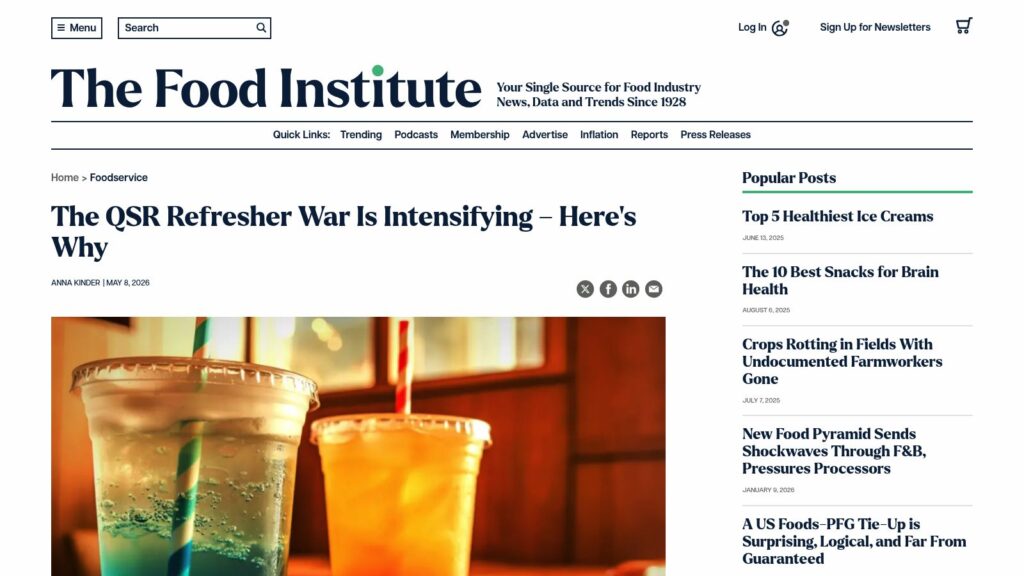
The QSR Refresher War Is Intensifying – Here’s Why

Quick-service restaurant (QSR) chains are increasingly competing with their own versions of fruit-forward refreshers, a trend popularized by Starbucks in 2012 and now mainstream across brands like Dunkin’, McDonald’s, and Panera. These colorful, often caffeinated beverages appeal to younger consumers, offering menu diversity and social media appeal, while the trend is evolving toward healthier, more functional ingredients and innovative flavors beyond traditional sweet and sour profiles.

https://foodinstitute.com/focus/the-qsr-refresher-war-is-intensifying-heres-why/

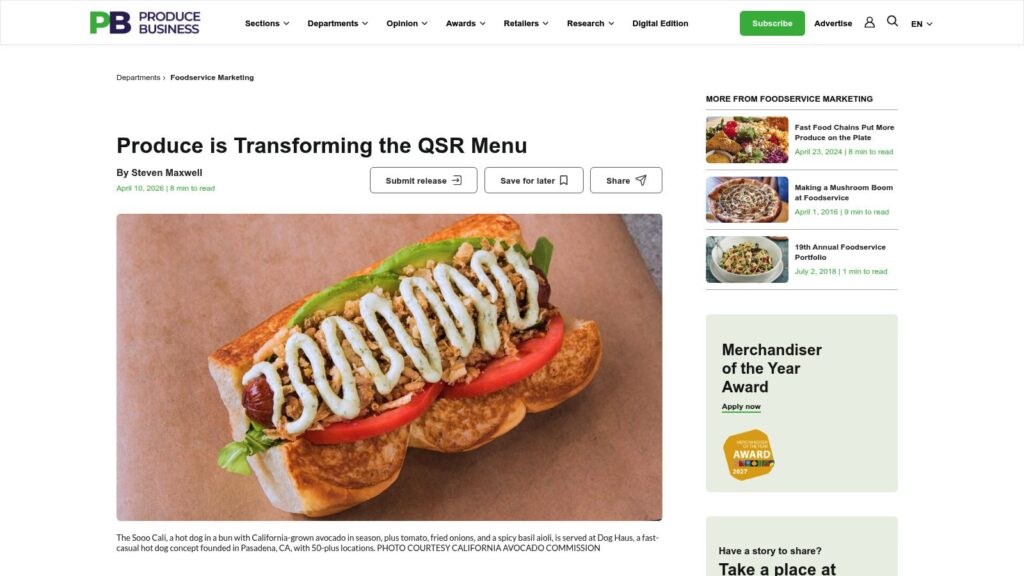
Produce Is Transforming the QSR Menu

Quick Service Restaurants (QSRs) in North America are increasingly incorporating fresh produce into their menus to offer healthier eating options and address growing consumer concerns about ultra-processed foods. This trend is driving innovation with ingredients like avocados, potatoes, watermelons, and mushrooms, supported by industry groups that provide education and marketing to promote fresh produce adoption in fast-casual and QSR segments. Operators focus on quality and transparency to build consumer trust and differentiate their offerings amid economic challenges.

https://producebusiness.com/produce-is-transforming-the-qsr-menu/

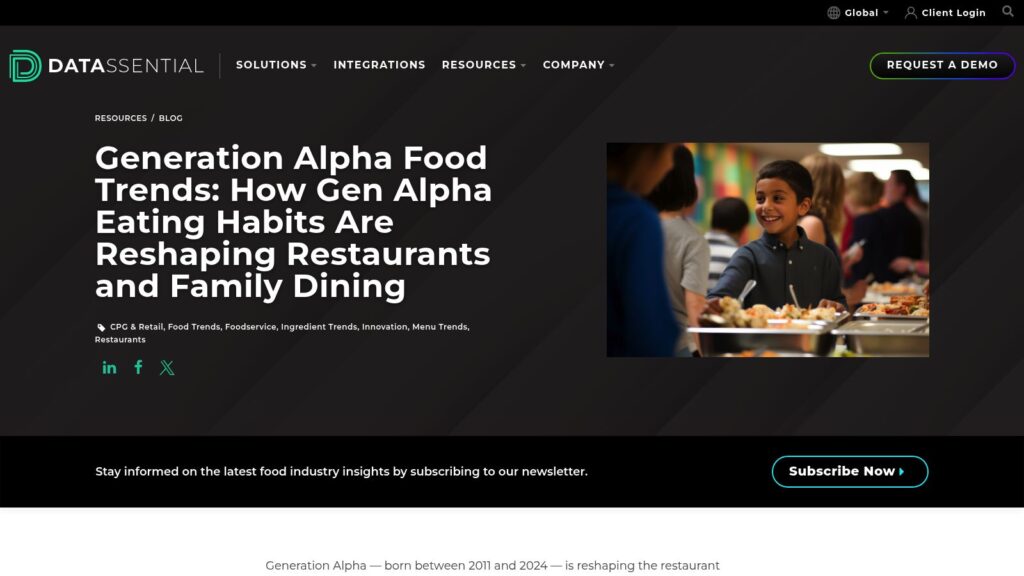
Generation Alpha Food Trends: How Gen Alpha Eating Habits Are Reshaping Restaurants and Family Dining

Generation Alpha, born between 2011 and 2024, is influencing food trends and reshaping the restaurant industry. Characterized by digital connectivity and cultural change, they exhibit strong brand loyalty and play a significant role in family dining choices. Their eating habits blend curiosity for global cuisines with selective preferences, reflecting a paradox of adventurous exploration and pickiness. Gen Alpha enjoys cooking, engages with food-related content, and influences household food purchases, favoring convenience and interactive experiences. Understanding their preferences is crucial for foodservice operators and brands aiming to build lasting loyalty and cater to future consumer behavior.

https://datassential.com/resource/generation-alpha-food-trends/

Scroll to Top