qsr

In the Age of AI, the Analog Restaurant Feels Radical

In response to the proliferation of AI-generated food imagery and promotional materials, many restaurants are embracing handcrafted, analog elements such as handwritten menus, hand-stitched logos, and vintage decor to emphasize craftsmanship and authenticity. This trend, described as “frictionmaxxing,” reflects a cultural backlash against digital excess and AI-generated “slop,” with hospitality businesses using tangible, human-made touches to differentiate themselves and connect more genuinely with customers.

https://www.eater.com/trends/975087/restaurants-lean-into-bespoke-handmade-elements-during-ai-flyer-backlash

Your Restaurant Pricing Strategy Isn’t Working Anymore. Here’s What Is

As consumer spending tightens, traditional restaurant pricing strategies focused on raising prices to boost revenue are losing effectiveness, often suppressing traffic and comparable sales. Successful restaurants now prioritize delivering clear, honest value by aligning pricing with customer preferences, making quality visible, ensuring operational excellence, building meaningful loyalty beyond coupons, leveraging technology to enhance experience, and targeting specific market occasions. This strategic approach, emphasizing tangible value over cheapness, is enabling brands like Chili’s, Taco Bell, and McDonald’s to drive growth amid challenging economic conditions.

https://www.qsrmagazine.com/story/your-restaurant-pricing-strategy-isnt-working-anymore-heres-what-is/

Companies Are AI-ifying Your Fast Food, but Customers Still Want Human Interaction

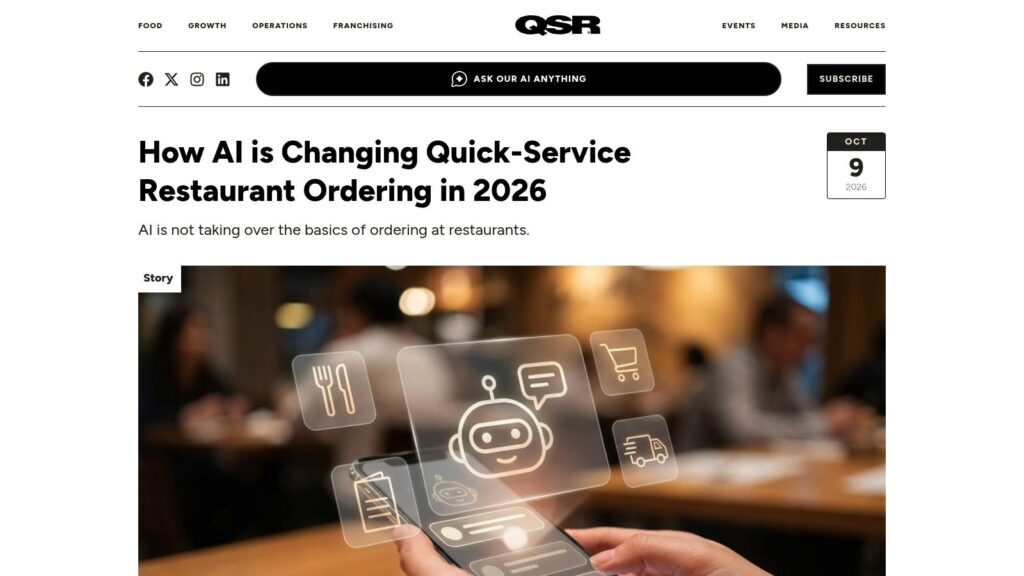
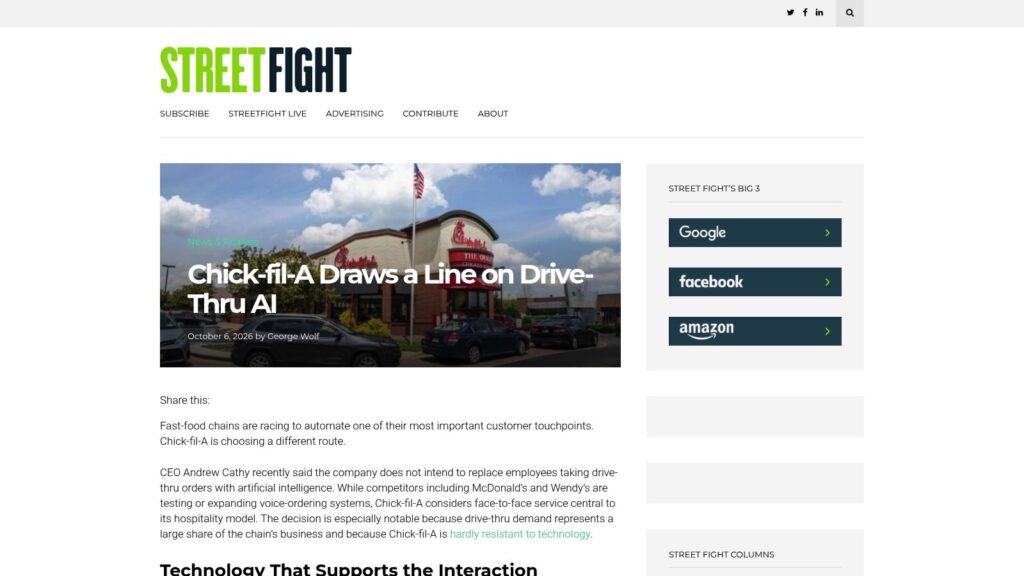
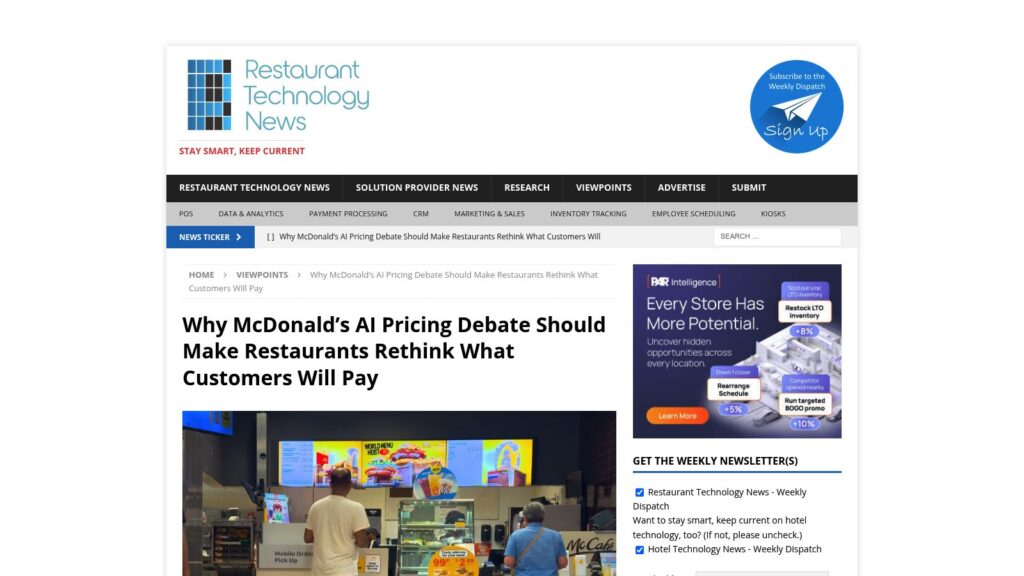
Fast-food chains like McDonald’s and Wendy’s are rapidly deploying AI-driven drive-through ordering systems to cut labor costs and speed service, but surveys show that approximately eighty percent of customers still prefer interacting with human workers. Customers often distrust AI order-takers to accurately process custom requests, leading to frustration and damaged brand loyalty. Industry experts suggest a hybrid model where AI handles repetitive tasks while employees focus on hospitality, emphasizing that true customer satisfaction depends on human interaction beyond mere efficiency.

https://www.dagens.com/technology/ai/companies-are-ai-ifying-your-fast-food-but-customers-still-want-human-interaction

Could AI-Powered QSR Technology Help Independents Compete with Larger Chains?

Independent quick-service restaurants (QSRs) can leverage affordable AI-powered technologies to improve efficiency, reduce costs, and better compete with larger chains that invest heavily in advanced systems. Key AI tools include automated inventory management, AI customer support agents, digital ordering systems, data-driven menu adjustments, optimized staff scheduling, real-time report generation, and AI-driven loyalty programs—all designed to streamline operations and enhance customer experience without significant upfront investment. As customer expectations evolve toward greater convenience, adopting these AI technologies is increasingly essential for independents aiming to grow and compete effectively in the changing QSR landscape.

https://www.qsrmagazine.com/story/could-ai-powered-qsr-technology-help-independents-compete-with-larger-chains/

The Next Generation of QSRs Part 2: How AI, Personalization Are Turning Loyalty Into a Growth Engine

QSR brands are leveraging AI and personalized loyalty programs to deepen customer connections and drive frequency amid softer traffic and rising prices. Companies like McDonald's and Wendy's use AI-driven personalization in apps and loyalty platforms to deliver relevant offers, while operators focus on seamless, integrated brand experiences across digital and physical touchpoints. AI-powered loyalty programs enable micro-level personalization, optimizing marketing efforts and customer engagement to build sustainable growth beyond broad discounting.

https://www.qsrweb.com/articles/the-next-generation-of-qsrs-part-2-how-ai-personalization-are-turning-loyalty-into-a-growth-engine/

The Next Generation of QSR, Part 1: The New Economics of Value

Quick-service restaurant chains like McDonald's, Taco Bell, and Burger King are redefining value amid rising dining costs and shifting consumer behavior by emphasizing meal bundles and affordable options that balance price, quality, and choice. This new approach addresses a K-shaped economy where lower-income consumers are more price-sensitive, requiring operators to communicate clear value through flexible offerings and strong marketing to maintain traffic and loyalty. Operators who adapt to these economic pressures with strategic value propositions are better positioned to drive long-term growth.

https://www.qsrweb.com/articles/the-next-generation-of-qsr-part-1-the-new-economics-of-value/

Evolution of the LTO: How TikTok Is Driving Menu Innovation

TikTok has revolutionized limited-time offers (LTOs) in quick-service restaurants by enabling customers to drive menu innovation through viral videos showcasing creative customizations and secret menu hacks. This shift has accelerated LTO development timelines, forcing brands to adopt agile marketing strategies, invest in social listening teams, and adapt operations quickly to capitalize on trends sparked by consumer-generated content. As a result, visual appeal and authenticity have become crucial, with customers now significantly influencing brand perception and marketing success.

https://www.qsrweb.com/articles/evolution-of-the-lto-how-tiktok-is-driving-menu-innovation/

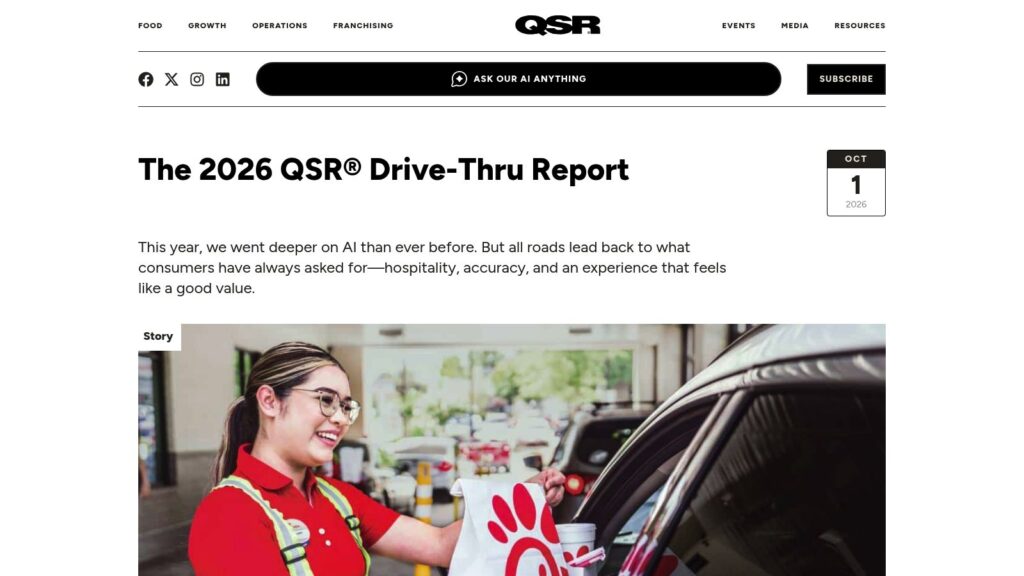
Rethinking the Drive-Thru Experience for Today’s Conscious Consumer

Quick-service restaurants are addressing challenges in their drive-thru operations—such as slow service and order errors—by implementing incremental technology upgrades including digital menu boards, advanced headsets, and line-busting tablets, as well as leveraging managed services for support. These innovations aim to streamline ordering, improve communication, and enhance efficiency without overwhelming staff or budgets, while integrating seamlessly with broader restaurant systems to maintain speed and accuracy in high-volume environments.

https://www.qsrweb.com/blogs/rethinking-the-drive-thru-experience-for-todays-conscious-consumer/

Restaurant Brands Are Rebuilding Their Apps Around Loyalty, Personalization and Digital Guest Engagement

Leading restaurant brands are redesigning their mobile apps to focus on loyalty, personalization, and digital guest engagement beyond basic ordering convenience. These apps now serve as comprehensive platforms integrating gamification, targeted rewards, exclusive access, and community-building features to deepen customer relationships, gather first-party data, and drive repeat visits while reducing reliance on third-party channels. This shift reflects the growing importance of branded apps as strategic marketing tools and direct engagement hubs that personalize offers, track guest behavior, and support dynamic, seasonally-driven campaigns.

https://restauranttechnologynews.com/2026/07/restaurant-brands-are-rebuilding-their-apps-around-loyalty-personalization-and-digital-guest-engagement/

Why QSR Loyalty Needs a Reset in a K-shaped Economy

In a K-shaped economy where higher-income consumers maintain spending while lower-income consumers cut back, QSR loyalty programs must shift from merely rewarding transactions to building genuine, effortless customer relationships. Effective loyalty strategies focus on simplifying the customer experience through recognition and convenience rather than pushing more points or aggressive personalization, with AI tools serving to reduce ordering friction rather than to upsell. Programs that treat loyalty as an ongoing engagement platform and measure meaningful customer affinity, rather than just financial metrics, are better positioned to retain customers across diverse income segments.

https://www.qsrmagazine.com/story/why-qsr-loyalty-needs-a-reset-in-a-k-shaped-economy/

Scroll to Top