trends

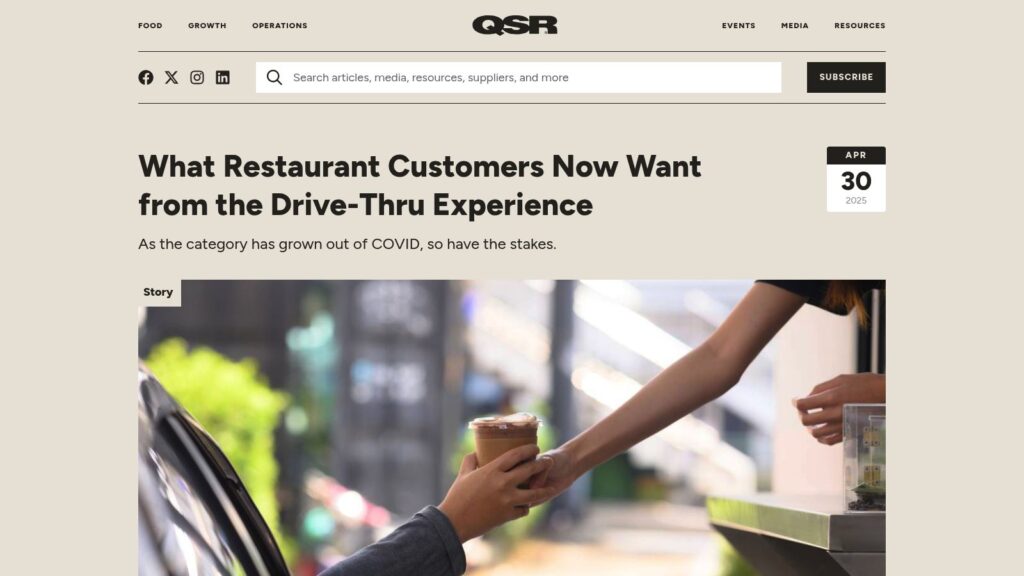
What Restaurant Customers Now Want From the Drive-Thru Experience

Drive-thru preferences have evolved post-COVID, with 81% of customers wanting discounts for less busy times. Off-premises dining is now vital, with 75% of orders taken to go. Younger generations value takeout, while speed (94%) and customer service (over 90%) are crucial. Customers seek improved food quality, reduced wait times, better order accuracy, and enhanced food packaging. Discounts, combo meals, and loyalty programs drive preferences, with AI ordering interest growing among Gen Z and millennials.

https://www.qsrmagazine.com/story/what-restaurant-customers-now-want-from-the-drive-thru-experience/

How Innovative Tech Tools Are Solving the Restaurant Industry’s Toughest Problems

Tech tools in the restaurant industry tackle five main challenges: driving traffic, increasing check size, improving training, managing costs, and enhancing operational efficiency. In 2024, 73% of operators boosted tech investments to address these issues amid rising costs and changing consumer behavior. Solutions include AI-driven personalized marketing, self-serve kiosks for upselling, mobile training platforms for staff engagement, real-time inventory management tools, and automated tech support services. Embracing these innovations helps create stronger, resilient businesses by enhancing guest experiences and profitability.

https://www.qsrmagazine.com/story/how-innovative-tech-tools-are-solving-the-restaurant-industrys-toughest-problems/

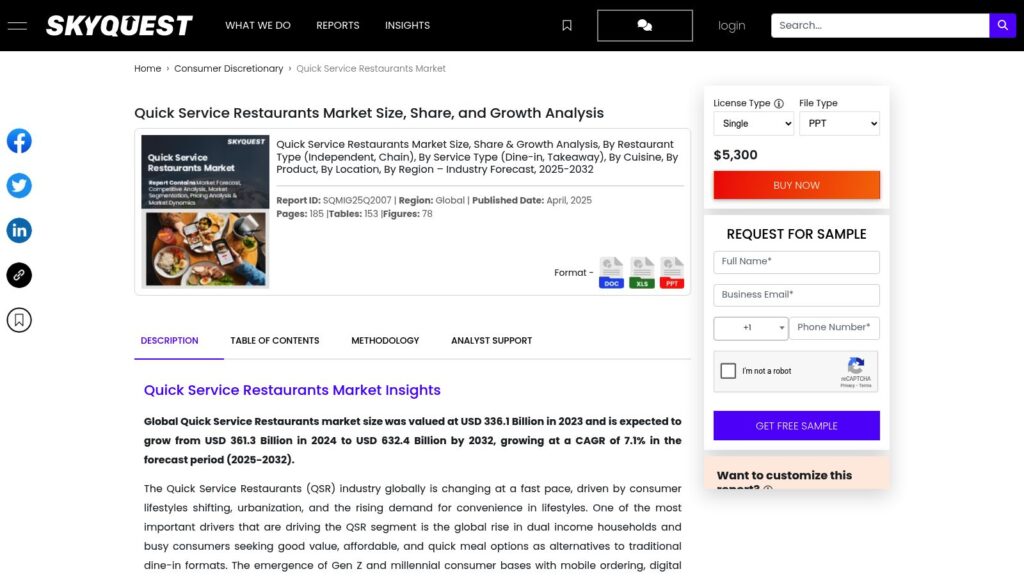
Quick Service Restaurants Market Size & Share

Global Quick Service Restaurants (QSR) market projected to grow from $336.1B in 2023 to $632.4B by 2032, at a 7.1% CAGR. Driven by changing consumer lifestyles, urbanization, and demand for convenience. Key trends include digitalization, AI integration for efficiency, and sustainability focus. Dine-in remains the largest segment, while delivery is the fastest-growing. Major markets include North America, Europe, and Asia-Pacific, with competitive strategies emphasizing plant-based menu options and tech innovations. Challenges include labor shortages and regulatory hurdles.

https://www.skyquestt.com/report/quick-service-restaurants-market

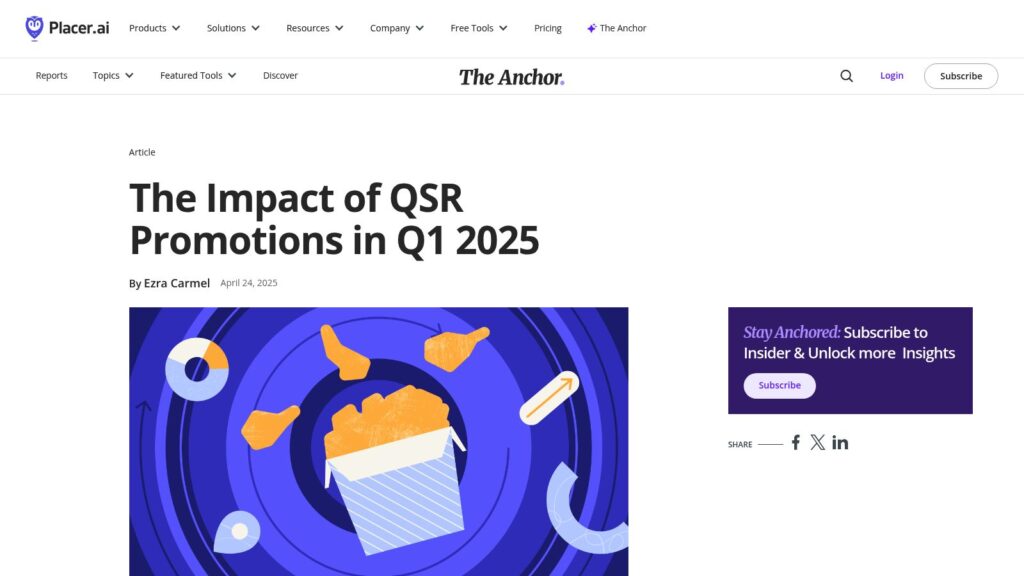
The Impact of QSR Promotions in Q1 2025

Q1 2025 QSR Promotions Impact Summary
QSRs faced a 1.6% traffic decline in Q1 2025. Yum! Brands saw a 2.9% increase, driven by Taco Bell, while RBI's traffic dropped by 3.4%. Wingstop experienced a 4.3% rise, boosted by T-Mobile promotions and Super Bowl demand, with visits up 55.9% and 56.8% on respective promotional days. Taco Bell's frequent visitors grew significantly, aided by an 11.7% increase in January 2025, likely due to the new Luxe Cravings Box. Strategic promotions contributed to significant traffic increases amid overall challenges in the sector.

https://www.placer.ai/anchor/articles/the-impact-of-qsr-promotions-in-q1-2025

How C-stores Can Pull Loyalty From QSRs

C-stores can attract loyalty from quick service restaurants (QSRs) by offering strong value through meal deals and quality food. A recent report indicates a significant shift in consumer preferences toward c-stores and grocery eateries, driven primarily by food quality rather than cost. Despite c-stores gaining traction, many consumers still perceive better value in QSRs. C-stores are focusing on improving food offerings and introducing meal deals to enhance their appeal and compete effectively with fast food chains.

https://www.cstoredive.com/news/c-stores-loyalty-qsrs-tillster/745569/

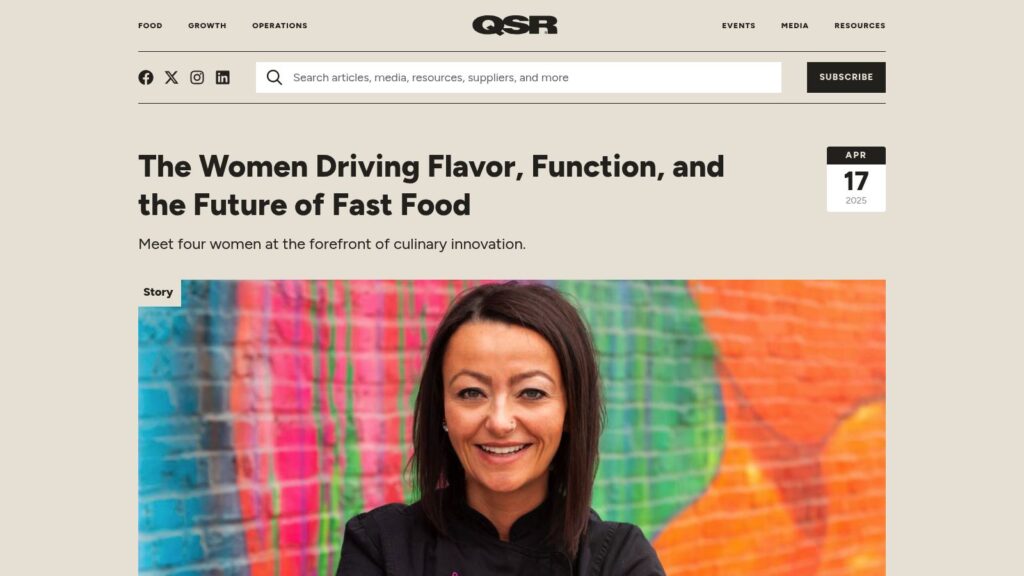
The Women Driving Flavor, Function, and the Future of Fast Food

Women leaders in fast food innovate and shape the industry, overcoming barriers and redefining culinary boundaries. Chef Venecia Willis of Velvet Taco emphasizes creativity and global flavors, while KFC's Diane Miller focuses on modernizing classics to attract youth. Kaitlyn Venable of Shipley Do-Nuts drives product innovation, introducing new menu items while maintaining brand heritage. These women highlight the evolving role of females in the culinary world and their impact on the future of fast food.

https://www.qsrmagazine.com/story/the-women-driving-flavor-function-and-the-future-of-fast-food/

Top 5 Restaurant Interior Design Trends for 2025

Top 5 Restaurant Interior Design Trends for 2025:

  1. Modular Spaces: Increased flexibility with movable partitions and adaptable furniture for varying customer needs.
  2. Sustainability: Use of recycled materials and biophilic design to resonate with eco-conscious diners.
  3. Digital Integration: Seamless incorporation of tech like digital menus and self-service kiosks into design.
  4. Brand Storytelling: Use of environmental graphics to create immersive brand experiences and enhance social media appeal.
  5. Reimagined Pickup Areas: Purpose-built drive-thru and pickup facilities for off-premise dining, prioritizing efficiency and brand cohesion.

Strategic implementation through expert project management and maintenance ensures uniformity and efficiency across multiple locations.

https://www.stratusunlimited.com/resources/blog/top-5-restaurant-interior-design-trends-for-2025/

Running Fast Vs. Running Smart: How QSRs Stay Ahead With Technology and Precision

QSRs thrive on speed but must also operate smartly to manage costs, comply with regulations, and enhance customer experience. Key challenges include inventory mismanagement, rising operational costs, and the need for effective technology. The article emphasizes the importance of real-time tracking and automation to optimize inventory, reduce waste, and ensure service efficiency, highlighting how partnerships with tech providers like Lowry and Zebra can help QSRs deliver superior customer experiences while maintaining operational control.

https://www.restaurantdive.com/spons/running-fast-vs-running-smart-how-qsrs-stay-ahead-with-technology-and-pre/743000/

These Fast Food Chains Hiked Their Prices the Most Last Year

Fast food prices have surged significantly, with major chains like McDonald's, Popeyes, and Taco Bell increasing menu prices by up to 132% in the last decade. Many consumers now view fast food as a luxury meal. Factors contributing to this inflation include rising wages, increased food prices, and tariffs affecting supply chains. As economists predict continued price hikes, consumers may opt for home-cooked meals to save money.

https://www.cnet.com/home/these-fast-food-chains-hiked-their-prices-the-most-last-year/

Scroll to Top