customer experience

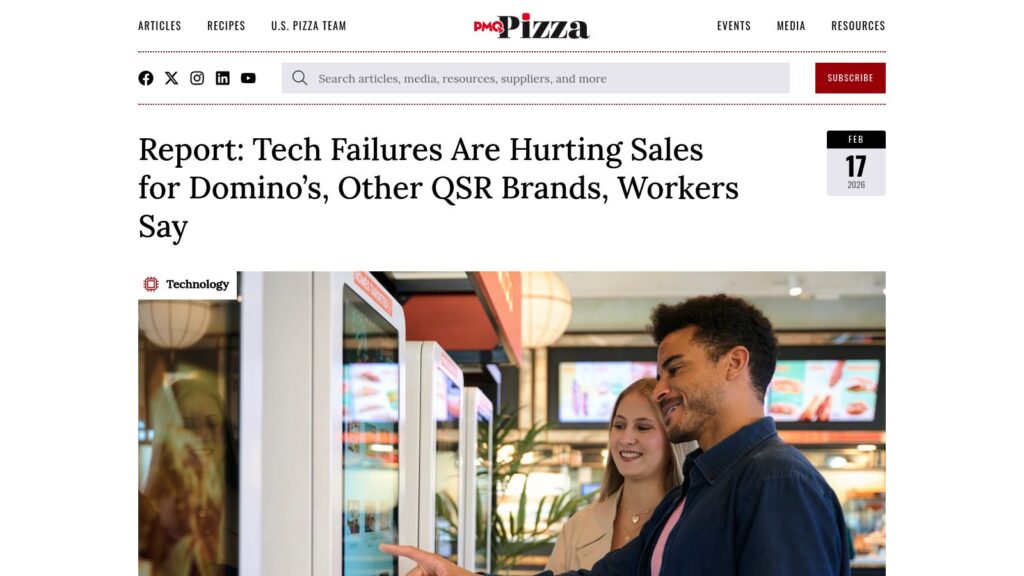
Report: Tech Failures Are Hurting Sales for Domino’s, Other QSR Brands, Workers Say

Tech failures hurt sales in QSRs like Domino's, with employees facing chronic malfunctions in self-service kiosks and mobile orders. A report found nearly 50% of workers witnessed customers abandon orders due to these issues. Challenges include drive-thru payment failures, frequent kiosk troubleshooting, and mobile order errors. These tech problems disrupt service and contribute to employee burnout, necessitating better integration and management of existing tech systems rather than simply adding new ones.

https://www.pmq.com/report-tech-failures-are-hurting-sales-for-dominos-other-qsr-brands-workers-say/

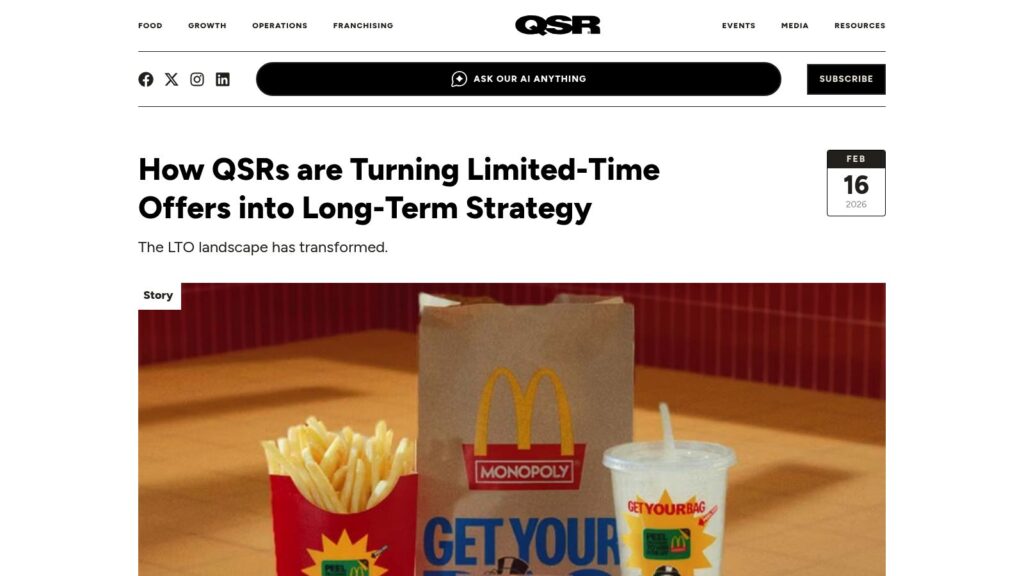
How QSRs Are Turning Limited-Time Offers Into Long-Term Strategy

QSR industry evolving: Limited-time offers (LTOs) shifting from seasonal items to fast, culturally engaging promotions. Brands must adapt to consumer demands for quick, appealing, and trend-driven products rather than relying solely on traditional menu cycles.

https://www.qsrmagazine.com/story/how-qsrs-are-turning-limited-time-offers-into-long-term-strategy/

2026: The Year of Personalized Dining Experiences

Personalized dining experiences are essential for brand loyalty, as consumers prefer tailored interactions. Effective use of technology enhances operational efficiency, customer communication, and personalized service across dining segments. The right tech infrastructure supports consistency, data-driven decisions, and customer engagement, crucial for success in a competitive landscape.

https://www.nrn.com/expert-opinions/2026-the-year-of-personalized-dining-experiences

Survey: Tech Problems Mount for QSR Employees

A Canopy report reveals that quick-serve and fast-casual restaurant employees frequently experience technology issues, which impact customer experience and sales. Drive-thrus, mobile ordering, and self-service kiosks are particularly prone to issues, leading to order abandonment and service disruptions. The report emphasizes the need for comprehensive tech monitoring and automated solutions to address these challenges.

https://chainstoreage.com/survey-tech-problems-mount-qsr-employees

As Online Searches for ‘Cheap Eats’ and ‘Solo Dining’ Surge, Here’s How to Stay Competitive

Rising searches for “cheap eats” and “solo dining” reflect changing consumer behaviors, emphasizing value and unique dining experiences as priorities in 2025. Pizzerias should offer affordable meal bundles and welcoming environments for solo diners. Innovative concepts like personal pizzas and themed promotions can attract customers. The market trend indicates that restaurants excelling in value, experience, and innovation will thrive amidst economic shifts.

https://www.pmq.com/as-online-searches-for-cheap-eats-and-solo-dining-surge-heres-how-to-stay-competitive/

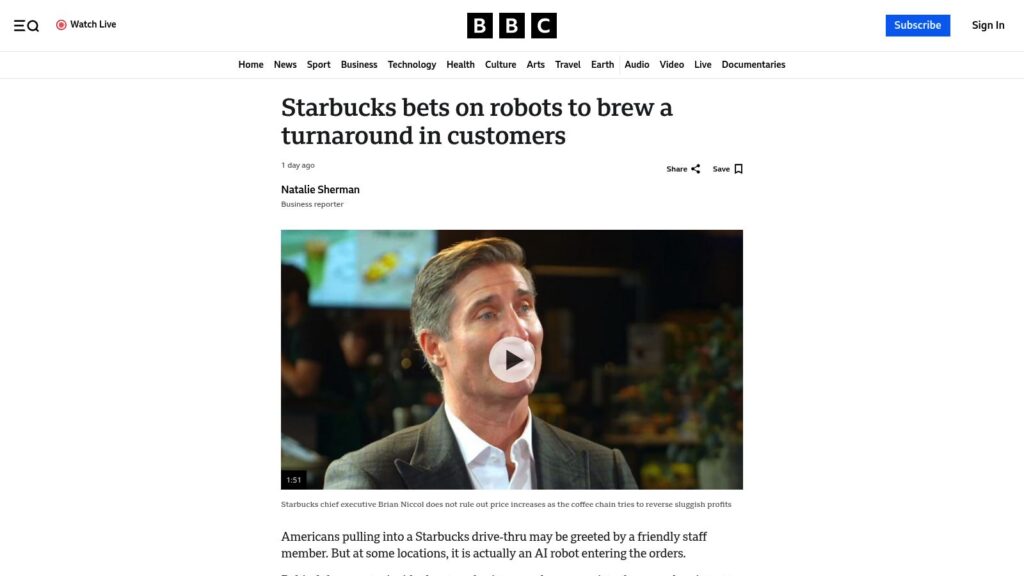
Starbucks Bets on Robots to Brew a Turnaround and Win Customers

Starbucks is investing in AI and technology to boost customer experience and profits amid slow sales. CEO Brian Niccol plans to save $2 billion over three years while enhancing efficiency and maintaining a personal touch. After price increases and operational changes, sales rose recently. The company faces union challenges and scrutiny over executive pay but aims to grow globally with a focus on community engagement in its stores.

https://www.bbc.com/news/articles/cew8qzdxnnjo

Field Testing in QSR: McDonald’s Leading the Way

McDonald’s is integrating geofencing technology into its mobile application testing strategy to enhance digital engagement and improve customer experience. Geofencing enables contextual interactions, such as push notifications and order-status updates, validating key digital experiences, such as curbside pickup and drive-thru Ready On Arrival. This approach ensures high-quality deployments, accelerates issue detection, and strengthens confidence in digital experiences.

https://www.ijert.org/field-testing-in-qsr-mcdonalds-leading-the-way-ijertv15is010508

‘You Don’t Feel Judged’: Why We Buy More at Self-service Screens

Self-service terminals in restaurants boost sales due to reduced social judgment and effective upselling. Behavioral science reveals customers spend more when purchasing via touchscreens compared to traditional tills, as they feel less pressured to decline extras. Terminal features, such as appealing product imagery and persistent upsell prompts, enhance the shopping experience. This influence is evident across various sectors, with applications of behavioral science driving consumer choices and improving engagement with products.

https://www.bbc.com/news/articles/cy9y1wvq3pdo

Fast Food’s New Value Equation: Taste Beats Cheap

Fast food value now focuses on taste and quality over low prices, with 56% of consumers prioritizing flavor. Younger diners prefer snacks instead of full meals, and menu innovations that remix familiar items are favored. Poor quality drives customers away, signaling that quick-service restaurants must enhance flavor and consistency rather than rely on pricing strategies.

https://www.buzzfeed.com/business-news/qsr-consumers-prioritize-taste-quality

More Than Low Prices: How Consumers Define Value for QSRs

Consumers now define value in quick-service restaurants (QSRs) beyond low prices, focusing more on quality, taste, and emotional connection. According to Alvarez & Marsal's Crave Report, good value is increasingly seen as great-tasting food rather than just affordability, with a significant drop in loyalty linked to perceived quality. QSRs must prioritize food innovation and quality improvement over mere discounting, as quality has become crucial for retaining customers. Consumer preferences also vary based on nostalgia and familiarity, especially for breakfast items. Ultimately, navigating these dynamics is vital for QSRs to maintain competitiveness and consumer loyalty.

https://www.franchisetimes.com/franchise_news/more-than-low-prices-how-consumers-define-value-for-qsrs/article_60ec2f5e-6418-4cda-8e4b-c8af759f3876.html

Scroll to Top