qsr

As Online Searches for ‘Cheap Eats’ and ‘Solo Dining’ Surge, Here’s How to Stay Competitive

Rising searches for “cheap eats” and “solo dining” reflect changing consumer behaviors, emphasizing value and unique dining experiences as priorities in 2025. Pizzerias should offer affordable meal bundles and welcoming environments for solo diners. Innovative concepts like personal pizzas and themed promotions can attract customers. The market trend indicates that restaurants excelling in value, experience, and innovation will thrive amidst economic shifts.

https://www.pmq.com/as-online-searches-for-cheap-eats-and-solo-dining-surge-heres-how-to-stay-competitive/

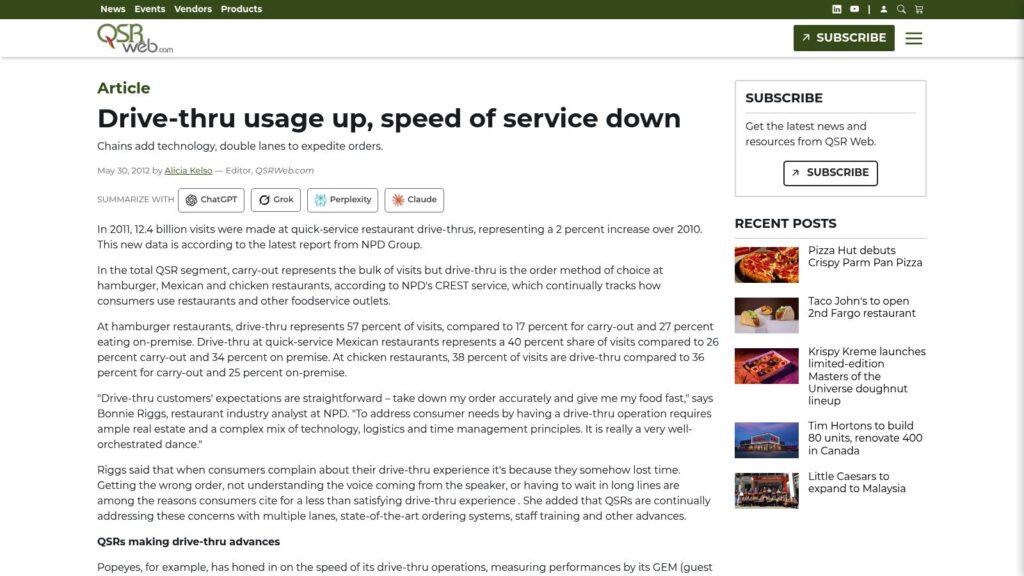
Could the Rise of Self-service Technology Affect QSRs?

Self-service technology in Australian quick-service restaurants (QSRs) is on the rise, with 70% of consumers preferring these options for better speed and privacy. High adoption is driven by the demand for quicker service and concerns about privacy, with digital orders now accounting for over half of all sales at major chains. Brands like Domino’s and Pizza Hut lead in digital order percentages, while branded apps are increasingly popular, reflecting a shift toward modernized checkout experiences that maximize customer satisfaction.

https://qsrmedia.com.au/research/in-focus/could-rise-self-service-technology-affect-qsrs

Building a Global Food-Tech QSR Waffle Chain: The Waffle Up Strategy

Waffle Up is a Singapore-based food-tech QSR brand specializing in waffles, operating primarily from Bangladesh. It seeks to create a global brand similar to Krispy Kreme but structured differently by leveraging operational and technological innovations rather than traditional real estate investments. Founded by Salman Goni, the company emphasizes data infrastructure, standardized recipes, and operational procedures to ensure consistency and scalability. Waffle Up identifies an opportunity in the fragmented global waffle market, employing strategies like a warehouse-to-outlet model instead of a central kitchen. The brand combines local talent and technology to streamline operations and aims for measured expansions into new markets while maintaining profitability and brand integrity.

https://futurestartup.com/2026/02/01/building-a-global-food-tech-qsr-waffle-chain-the-waffle-up-strategy/

Field Testing in QSR: McDonald’s Leading the Way

McDonald’s is integrating geofencing technology into its mobile application testing strategy to enhance digital engagement and improve customer experience. Geofencing enables contextual interactions, such as push notifications and order-status updates, validating key digital experiences, such as curbside pickup and drive-thru Ready On Arrival. This approach ensures high-quality deployments, accelerates issue detection, and strengthens confidence in digital experiences.

https://www.ijert.org/field-testing-in-qsr-mcdonalds-leading-the-way-ijertv15is010508

Restaurant Labor in 2026 Becomes a Race to Do More With More

Restaurant labor costs are rising, with 96% of operators reporting increased expenditures. Strategies to cope include improving employee productivity (35%), cross-training (34%), and retaining staff (30%). Technology adoption focuses on efficiency—using tools like order-ahead systems and QR codes—rather than replacing staff. Staffing challenges persist, with many restaurants short on servers and turnover rates slightly increasing. Operators are optimizing labor management and enhancing employee satisfaction through competitive wages and flexible scheduling.

https://www.fsrmagazine.com/feature/restaurant-labor-in-2026-becomes-a-race-to-do-more-with-more/

Fast Food’s New Value Equation: Taste Beats Cheap

Fast food value now focuses on taste and quality over low prices, with 56% of consumers prioritizing flavor. Younger diners prefer snacks instead of full meals, and menu innovations that remix familiar items are favored. Poor quality drives customers away, signaling that quick-service restaurants must enhance flavor and consistency rather than rely on pricing strategies.

https://www.buzzfeed.com/business-news/qsr-consumers-prioritize-taste-quality

More Than Low Prices: How Consumers Define Value for QSRs

Consumers now define value in quick-service restaurants (QSRs) beyond low prices, focusing more on quality, taste, and emotional connection. According to Alvarez & Marsal's Crave Report, good value is increasingly seen as great-tasting food rather than just affordability, with a significant drop in loyalty linked to perceived quality. QSRs must prioritize food innovation and quality improvement over mere discounting, as quality has become crucial for retaining customers. Consumer preferences also vary based on nostalgia and familiarity, especially for breakfast items. Ultimately, navigating these dynamics is vital for QSRs to maintain competitiveness and consumer loyalty.

https://www.franchisetimes.com/franchise_news/more-than-low-prices-how-consumers-define-value-for-qsrs/article_60ec2f5e-6418-4cda-8e4b-c8af759f3876.html

Inclusive Dining Tech: The New Must Have for Foodservice

Inclusive dining technology is vital for modern foodservice, enhancing accessibility and guest experience. It encompasses tools like digital menus and self-service kiosks, addressing needs of diverse diners, including those with disabilities or dietary restrictions. This tech not only streamlines orders but also supports sustainability and empowers guests who may struggle with traditional ordering. Ultimately, it aids staff efficiency and aligns with evolving consumer expectations.

https://foodinstitute.com/focus/inclusive-dining-tech-the-new-must-have-for-foodservice/

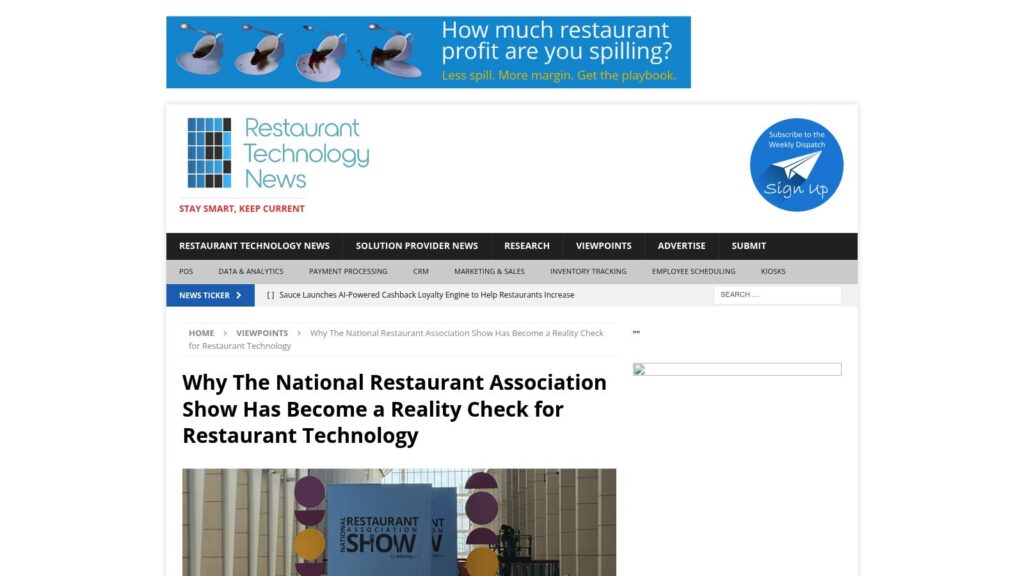
Why Restaurant Technology Is Now the Only Reliable Answer to Hybrid Work Demand Volatility

Hybrid work has disrupted restaurant demand, creating unpredictability and forcing businesses to adapt. Time Out Market in Boston faced imminent closure due to inconsistent foot traffic but secured new management to continue operations. The industry is shifting toward technology for demand forecasting, diversified channels, and improved customer experiences as businesses adjust to new dining behaviors. The overarching challenge is no longer appetite but the irregularity in customer patterns, emphasizing the need for tech-driven solutions to thrive.

https://restauranttechnologynews.com/2026/01/why-restaurant-technology-is-now-the-only-reliable-answer-to-hybrid-work-demand-volatility/

Scroll to Top