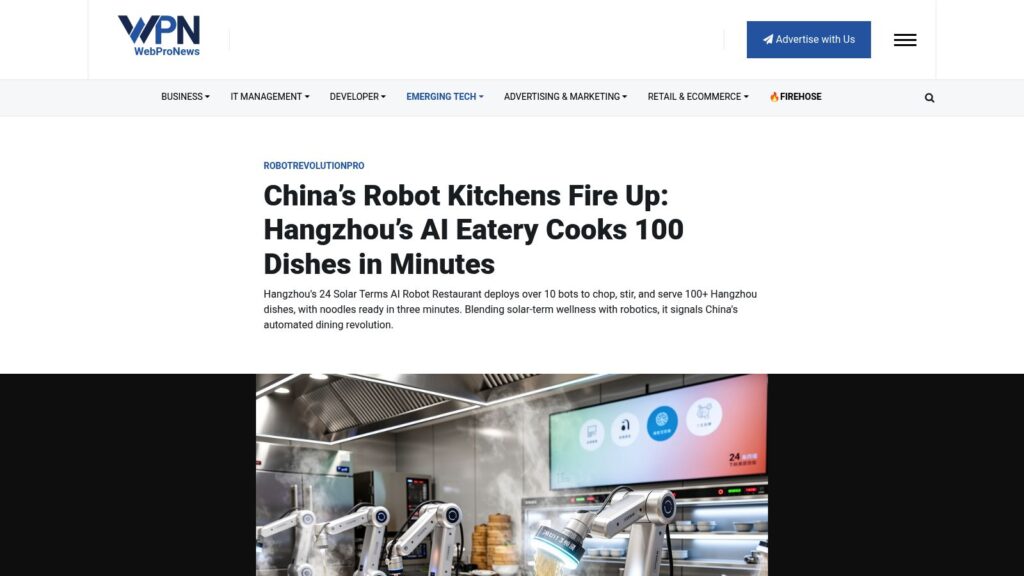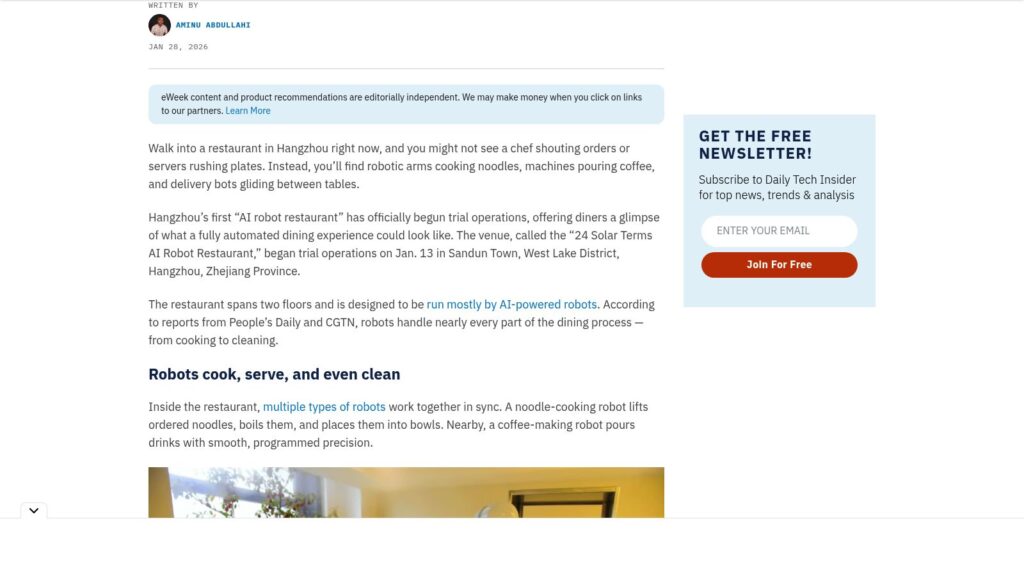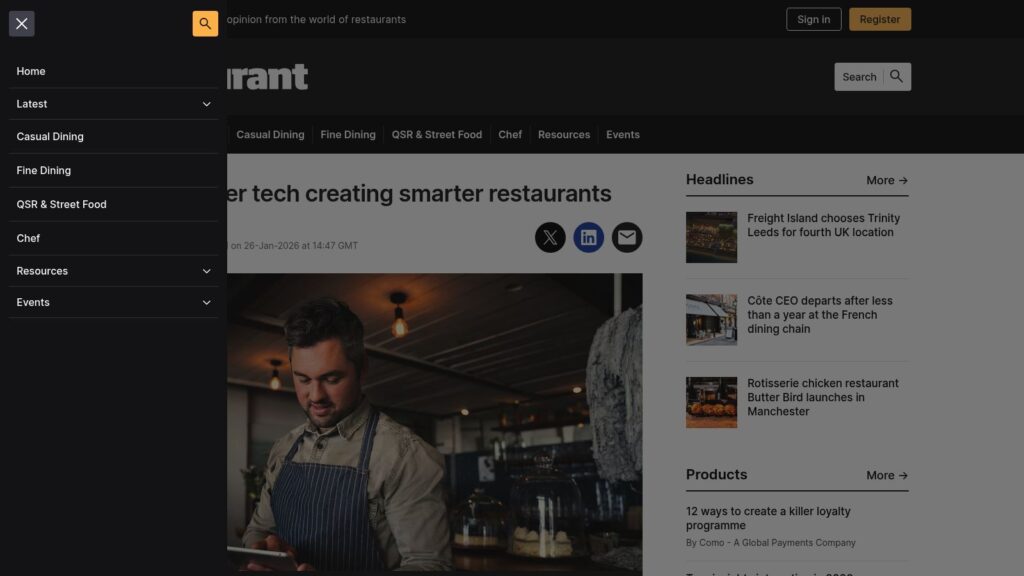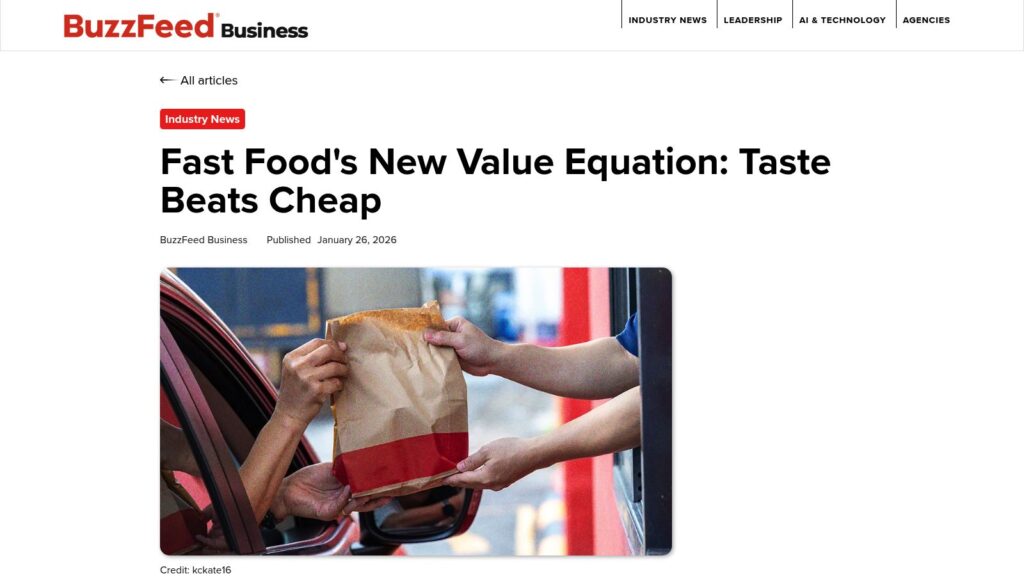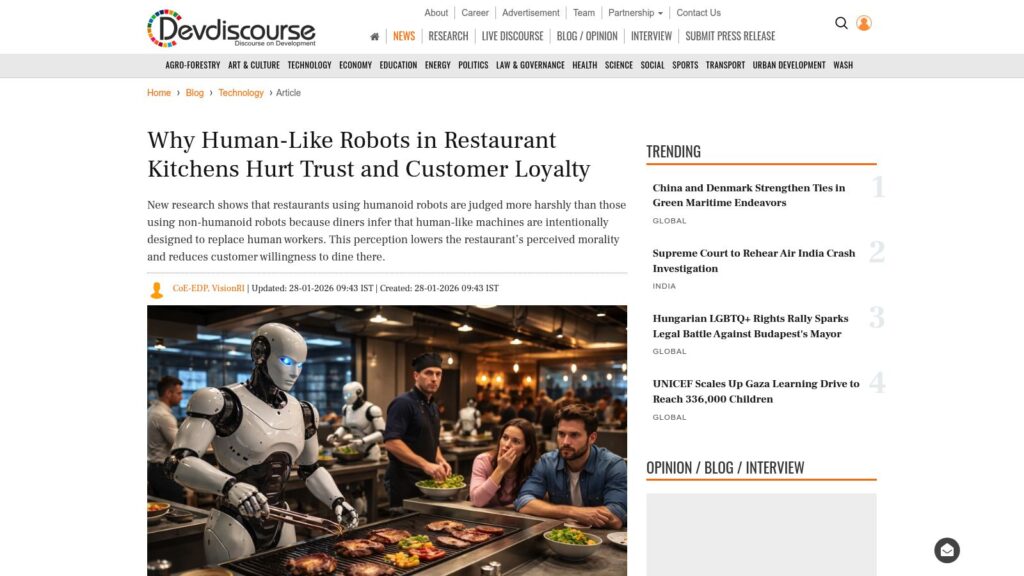
Is This AI-powered Robot the Future of Restaurants?

New Baltimore restaurant Mahjong uses AI-powered robots for cooking, offering budget-friendly Chinese dishes near Johns Hopkins University. The robots, supervised by chefs, lower labor costs, enabling prices around $4 per dish. While reviews are positive, opinions on robot chefs vary, with some chefs skeptical about their culinary capabilities. Owner Arthur Dai plans to expand the menu with more Asian cuisines in the future.

https://www.thebanner.com/culture/food-drink/ai-robots-chinese-restaurant-mahjong-GTRM4KHL5VCI5IRC5YLKDT4JKU/

Can You Create a Self-Cleaning Restaurant?

Restaurant hygiene innovations: self-cleaning surfaces enhance safety and compliance, reduce manual labor, and improve customer perceptions. Key technologies include self-cleaning ovens, rotisseries, beverage dispensers, dishware, and UV light systems. These advancements promote a hygienic culture, boost employee morale, and ensure a high-quality dining experience.

https://www.fsrmagazine.com/feature/can-you-create-a-self-cleaning-restaurant/

How Automating Inventory Is Reducing Waste, Boosting Profits, and Improving Staff Morale

AI inventory management enhances QSR operations by reducing waste, boosting profits, and improving staff morale. Tablets with AI provide real-time stock visibility, eliminating reliance on manual counting and inaccuracies, thus streamlining inventory processes and enhancing customer service. This technology fosters a more efficient workflow, allowing staff to focus on customer interactions rather than tedious stock management.

https://www.qsrmagazine.com/story/how-automating-inventory-is-reducing-waste-boosting-profits-and-improving-staff-morale/

AI and Robotics Are Powering a New Predictive Age in QSR

QSR industry entering “Predictive Shift,” moving from reactive to anticipatory service via AI and robotics. This transformation focuses on sustainable kitchens, relevant menus, faster drive-thru experiences, and enhancing human connection in service. As data usage increases, QSRs will streamline operations and personalize customer interactions, setting a new standard in hospitality.

https://www.qsrmagazine.com/story/ai-and-robotics-are-powering-a-new-predictive-age-in-qsr/

McDonald’s AI-Generated Ad Controversy, Explained

McDonald’s released an AI-generated Christmas ad that sparked widespread online backlash, prompting the company to disable YouTube comments and make the video private. Critics found the ad’s visuals unsettling, described its tone as negative, and accused it of missing the emotional mark, with Santa depicted poorly. The public mocked both the use of generative AI, which many see as dehumanizing and a threat to creative jobs, and the creators’ defense of their process. This controversy follows similar adverse reactions to AI ads from other brands, illustrating growing public resistance to AI-generated advertising content.

https://www.forbes.com/sites/danidiplacido/2025/12/09/mcdonalds-ai-generated-ad-controversy-explained/

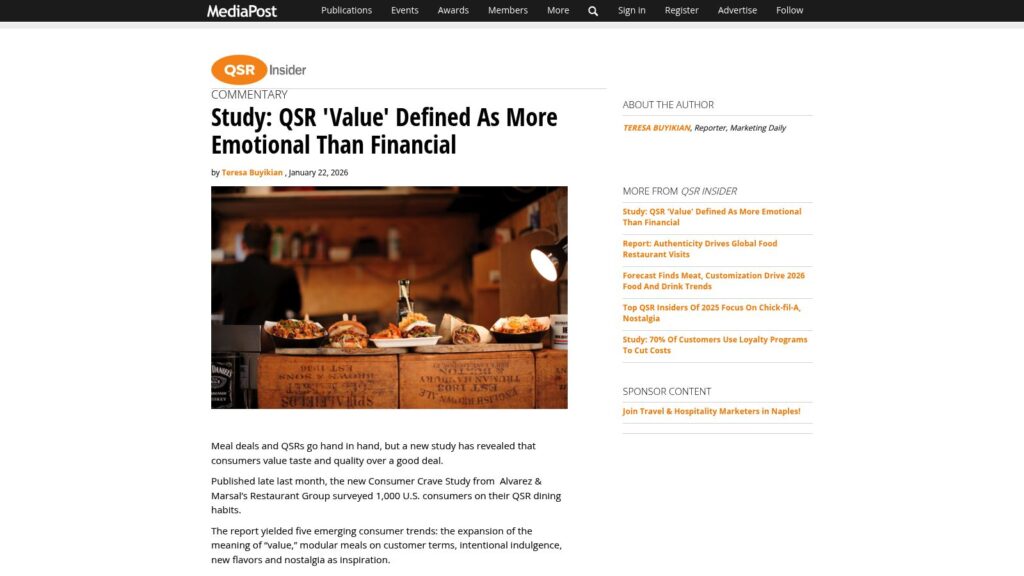
How Are the UK and US Dining Cultures Converging?

UK and US dining cultures are converging, prioritizing sustainability, provenance, and immersive hospitality. A report indicates shared consumer expectations regarding food quality and environmental impact, with both markets evolving towards responsible sourcing and community-focused venues. UK diners value food quality over cost, while US demand for organic options rises. Both cultures emphasize social dining experiences, increasing average spend and loyalty through immersive practices. Future shifts may include AI-driven dietary diversity and a focus on fiber-rich foods by 2030.

https://qsrmedia.co.uk/research/in-focus/how-are-uk-and-us-dining-cultures-converging

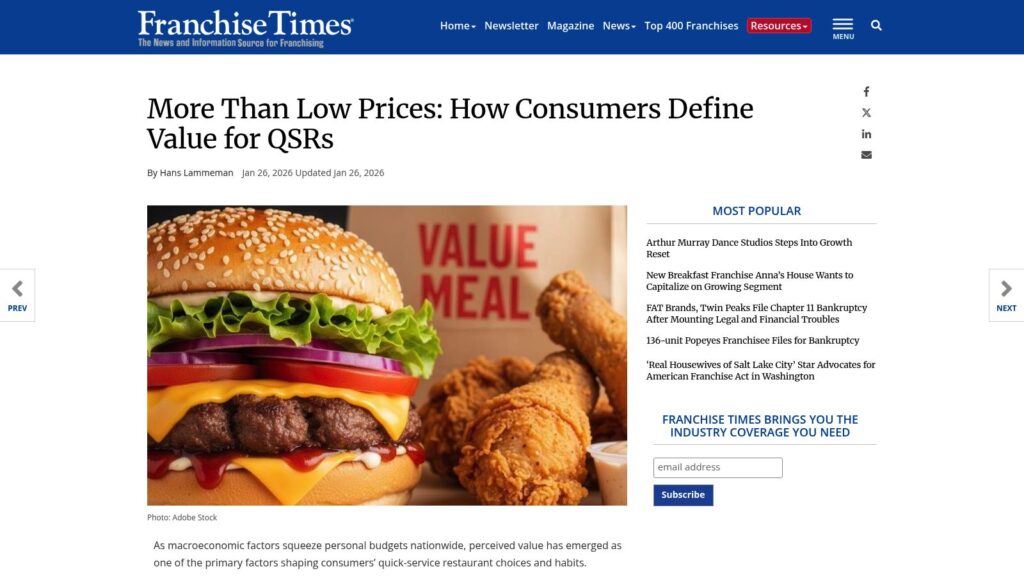
Forget Menu Prices, McDonald’s Quietly Makes Massive Financial Move

McDonald’s is losing lower-income customers but gaining higher-income ones, prompting a focus on value offerings like Extra Value Meals. Despite lower prices, the company continues rewarding shareholders with dividends, aiming for a “Dividend King” status by maintaining 49 consecutive years of dividend increases. McDonald's strategy balances customer retention with shareholder returns, highlighting its resilient business model.

https://www.thestreet.com/restaurants/forget-menu-prices-mcdonalds-quietly-makes-massive-financial-move

Uber Brings Robotic Delivery to New South Florida Metro Area

Uber Eats expands robotic delivery with Serve Robotics in Fort Lauderdale, enhancing autonomous deliveries in South Florida's downtown and Las Olas Boulevard. This builds on previous operations in Miami and Atlanta, as Serve aims to deploy 2,000 robots across the U.S. by year-end. The partnership utilizes AI-equipped robots for efficient, reliable food delivery, reflecting Uber's commitment to innovative logistics within a tech-friendly community.

https://chainstoreage.com/uber-brings-robotic-delivery-new-south-florida-metro-area

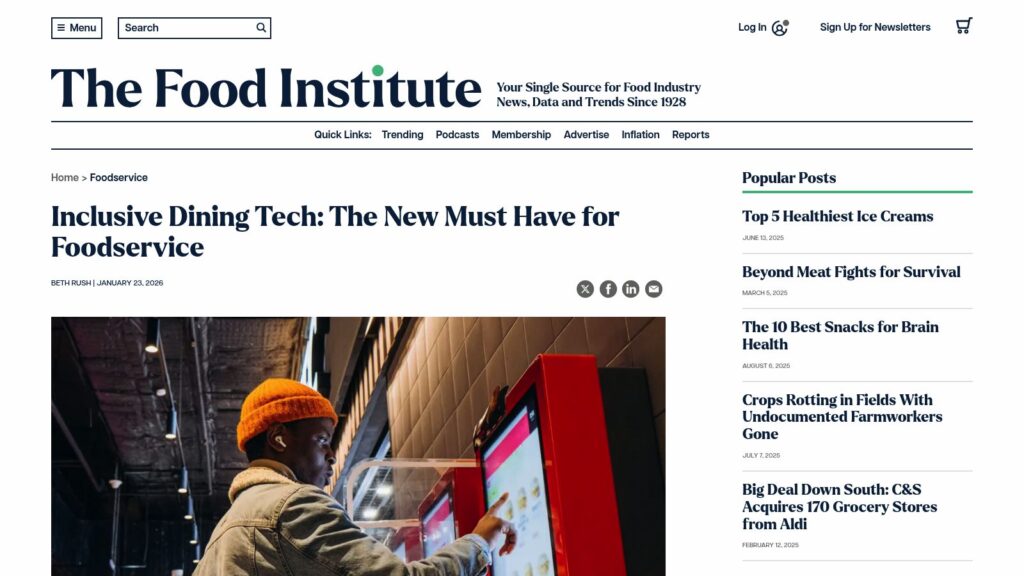
The Rise of Digital Menus: How McDonald’s Drive-Thru Kiosks Boost Sales

McDonald's digital transformation in the QSR industry, featuring self-ordering kiosks and AI-powered menus, enhances efficiency, customer engagement, and sales. Digital menus allow real-time updates, vibrant visuals, and tailored promotions, improving decision-making and reducing errors. Kiosks boost average order values, customization, and satisfaction. This seamless experience positions McDonald's as a market leader, and ongoing innovations signify a future trend towards more automated, personalized ordering systems.

https://vocal.media/journal/the-rise-of-digital-menus-how-mc-donald-s-drive-thru-kiosks-boost-sales

The Uncomfortable Truth About QSR Loyalty: Why Design, Not Customers, Is the Problem

QSR loyalty programs need deeper transformation beyond mere updates, as current strategies focus too heavily on transactional rewards and fail to foster true customer engagement. While Merkle suggests shifts to emotional loyalty, it overlooks essential design aspects that could enhance customer interaction and experience. The industry faces critical threats from AI alternatives, which could disrupt traditional loyalty systems, necessitating a focus on psychological engagement and meaningful choices. QSRs should prioritize creating choices with consequences and time-based dynamics to differentiate themselves effectively in a market increasingly driven by AI and consumer expectations.

https://thewisemarketer.com/the-uncomfortable-truth-about-qsr-loyalty/

Scroll to Top