qsr

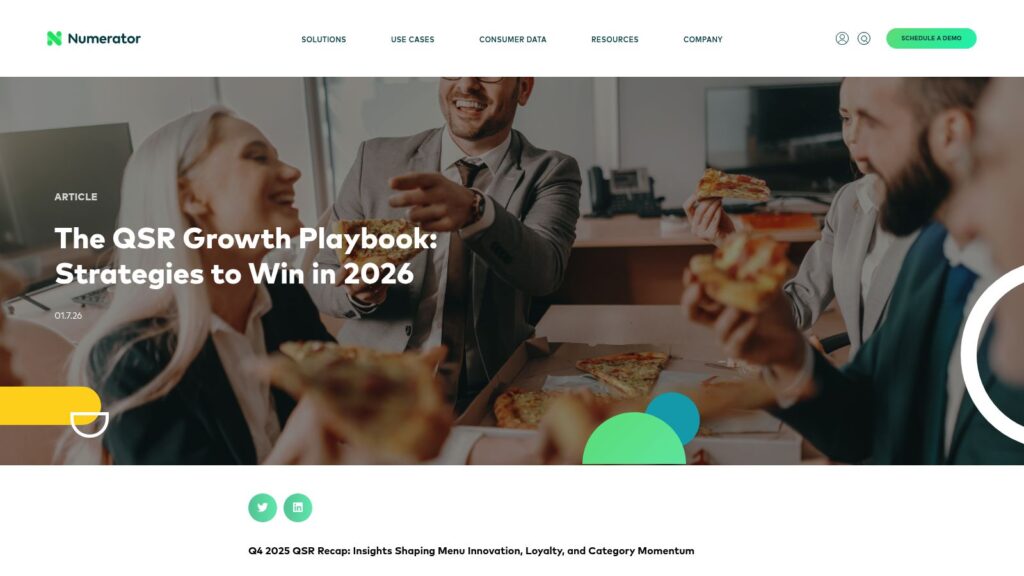
A Never-Too-Early Look at 2026 Fast-Food Trends

  • Customer Insights: Data-driven approaches will be essential to understand shifting consumer behavior.
  • AI Integration: AI will transition from optional innovation to core business infrastructure.
  • Loyalty: Personalized programs will drive growth and retention.
  • Social Media: Managing virality and reputation becomes critical.
  • Execution: Rapid and disciplined implementation of plans will separate leaders from followers.

https://www.qsrmagazine.com/story/a-never-too-early-look-at-2026-fast-food-trends/

How 3 Retailers Are Upgrading Meal Bundles

Three retailers—Love's, EG America, and Rutter’s—enhance meal bundles through strategic partnerships, appealing pricing, and consumer trends. They focus on convenience, value, and familiar offerings to draw traffic. Data analysis guides their bundle creation, incorporating feedback and seasonal insights. Collaborating with CPG brands boosts awareness while personalized marketing maximizes engagement. Bundling strategies help convenience stores compete with QSRs and meet evolving consumer preferences.

https://www.restaurantdive.com/news/bundling-value-meals-QSR-c-stores/805680/

5 Food & Packaging Trends Impacting QSRs in 2026

  • Scale-Led Innovation: QSRs lead industry trends by piloting new technologies and packaging solutions.
  • Digital Packaging Integration: AI and intelligent systems are integrating packaging into inventory and customer engagement strategies.
  • Drive-Thru Focus: Technology investments are improving the speed and experience of drive-thru dining.
  • Regulatory Complexity: Meeting diverse global packaging regulations is driving a shift toward sustainable solutions.
  • Value Promotions: Cost-effective deals and flexible packaging target value-driven consumers.

https://www.qsrmagazine.com/story/5-food-packaging-trends-impacting-qsrs-in-2026/

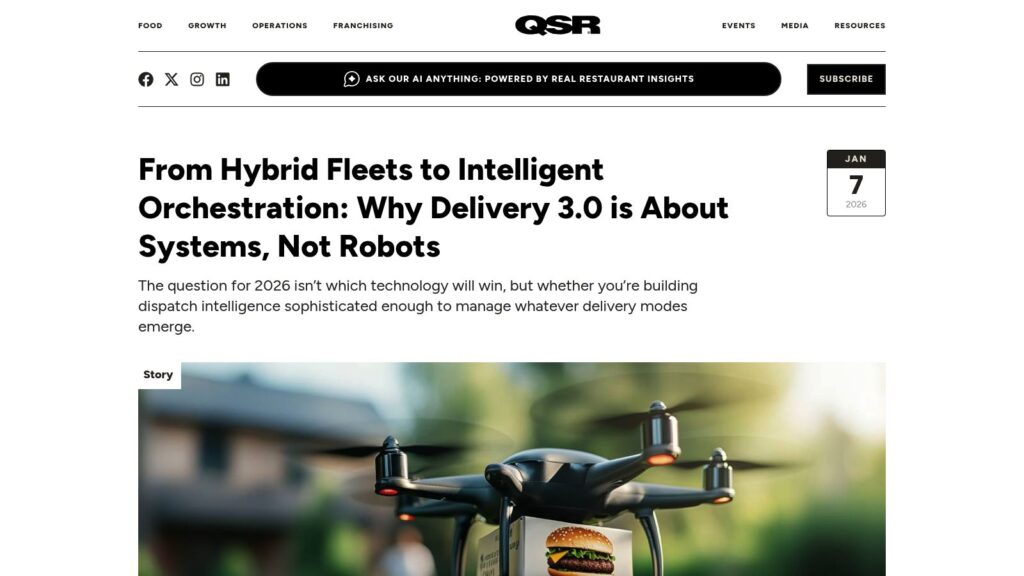
Self-driving Robots to Deliver Uber Eats Takeaways in the UK

Uber Eats launching self-driving robots for takeaway delivery in the UK, starting in Leeds and expanding to Sheffield. Robots can carry three shopping bags, navigate curbs, and maintain food temperature. Partnership with Starship Technologies aims for efficient deliveries and potential future replacement of human couriers. Expansion planned for Europe in 2026 and the US in 2027 after securing funding.

https://www.thecaterer.com/news/self-driving-robots-to-deliver-uber-eats-takeaways-in-the-uk

Americans’ Favorite Fast-food Chain Is a Convenience Store

Buc-ee's has been rated the top fast-food chain in the U.S., according to a dunnhumby study, followed by Kwik Trip. This indicates a merging of restaurants and convenience stores, with many consumers viewing c-stores as legitimate meal options. The study analyzed 58 quick-service restaurants, showing that convenience stores ranked prominently among consumer favorites.

https://www.restaurantbusinessonline.com/consumer-trends/americans-favorite-fast-food-chain-convenience-store

How QSR Burger Brands Are Fighting Inflation and Slowing Visits

QSR burger industry faces 2025 challenges like rising costs, inflation, and traffic declines. Major chains like McDonald's regain momentum via value offerings, while smaller chains struggle. Operators must enhance efficiency, define unique value propositions, and actively adapt to shifting consumer preferences to thrive going into 2026.

https://www.qsrmagazine.com/story/how-qsr-burger-brands-are-fighting-inflation-and-slowing-visits/

Restaurant Automation: Why Scaling Is Still a Major Challenge

Restaurant automation faces challenges scaling due to the complexity of food prep tasks requiring fine motor skills. Although some innovations exist, widespread adoption is hindered by technology limitations and operational adjustments needed. Organizations are strategizing on investments in automation while considering cost-effectiveness and employee retraining. The future of kitchen automation may deliver transformative capabilities, but current examples are limited, necessitating careful evaluation before implementation.

https://www.qsrmagazine.com/story/restaurant-automation-why-scaling-is-still-a-major-challenge/

United States Fast Food & Quick Service Restaurant Market Size and Forecast 2025–2033

US fast food and QSR market projected to grow from $248.8B in 2024 to $345.6B by 2033 (CAGR 3.74%). Key growth drivers include convenience, health-focused menu innovations, and technology. Challenges include rising costs and intense competition. Major segments: hamburgers, pizza, and Mexican food. Future success hinges on speed, personalization, and digital engagement.

https://vocal.media/feast/united-states-fast-food-and-quick-service-restaurant-market-size-and-forecast-2025-2033-ks4c70i0p

Scroll to Top