customer experience

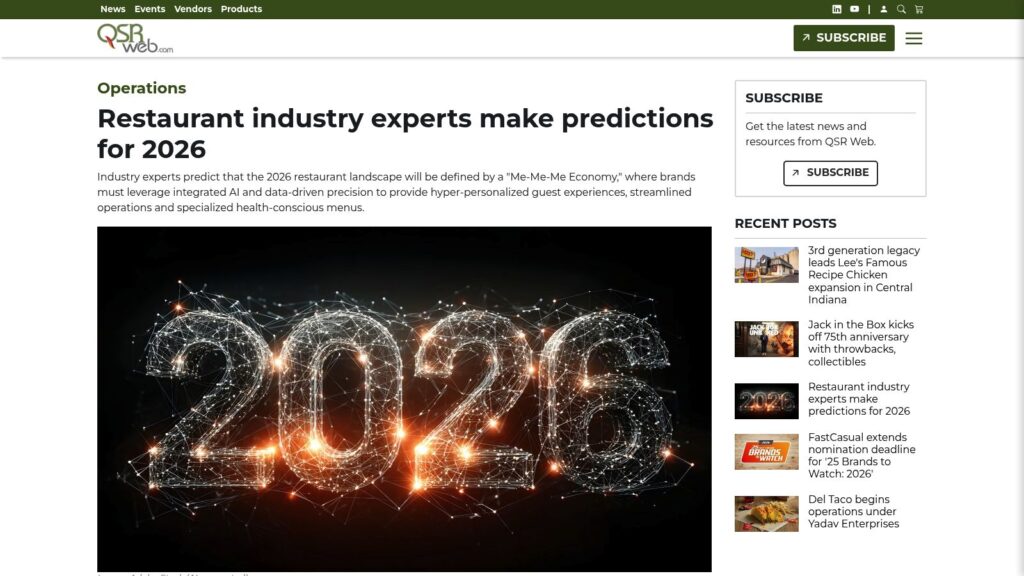
Restaurant Industry Experts Make Predictions for 2026

2026 restaurant trends shaped by “Me-Me-Me Economy” focus on hyper-personalization, AI integration, and health-oriented menus. Key predictions include: tech enhancing order accuracy, loyalty through personalization, emphasis on data integration, corporate catering as a marketing tool, utilizing guest feedback, evolving frontline roles, and inflation impacting operations and purchasing. Success hinges on integrating technology with hospitality to create a more personalized dining experience.

https://www.qsrweb.com/articles/restaurant-industry-experts-make-predictions-for-2026/

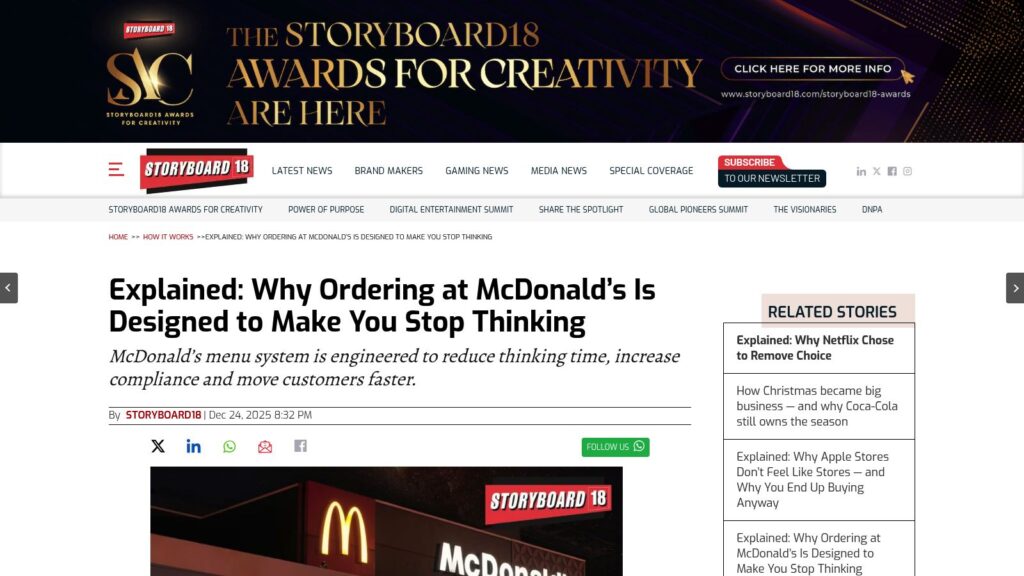
Explained: Why Ordering at McDonald’s Is Designed to Make You Stop Thinking

McDonald's menu design reduces decision-making time, encouraging quick choices. Items are strategically placed for visibility, prioritizing higher-margin products and familiar bundles. The environment fosters compliance through low-effort prompts, reinforcing predictability in consumer behavior, enhancing efficiency and simplicity as competitive advantages.

https://www.storyboard18.com/how-it-works/explained-why-ordering-at-mcdonalds-is-designed-to-make-you-stop-thinking-86523.htm

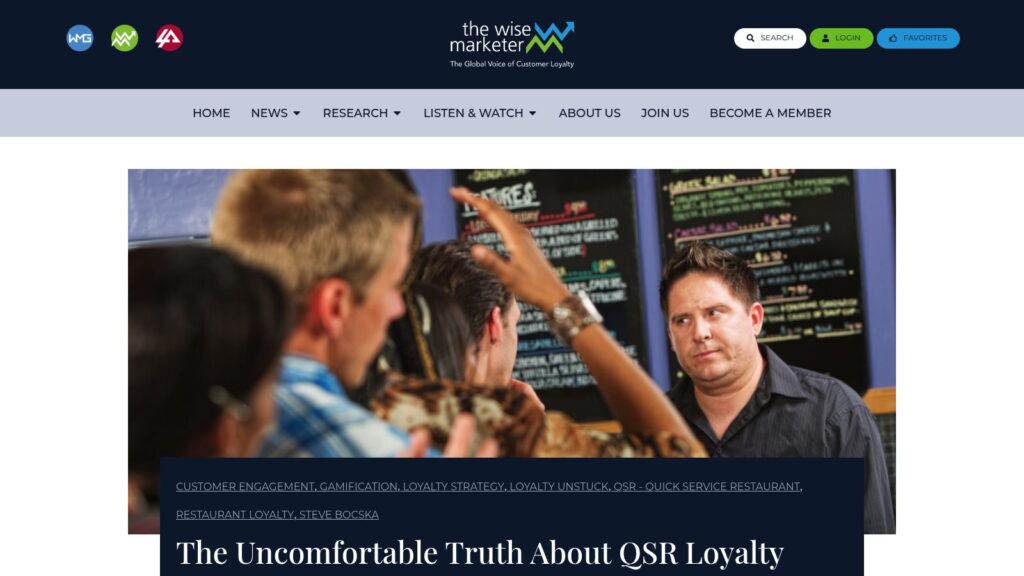
The Uncomfortable Truth About QSR Loyalty: Why Design, Not Customers, Is the Problem

QSR loyalty programs need deeper transformation beyond mere updates, as current strategies focus too heavily on transactional rewards and fail to foster true customer engagement. While Merkle suggests shifts to emotional loyalty, it overlooks essential design aspects that could enhance customer interaction and experience. The industry faces critical threats from AI alternatives, which could disrupt traditional loyalty systems, necessitating a focus on psychological engagement and meaningful choices. QSRs should prioritize creating choices with consequences and time-based dynamics to differentiate themselves effectively in a market increasingly driven by AI and consumer expectations.

https://thewisemarketer.com/the-uncomfortable-truth-about-qsr-loyalty/

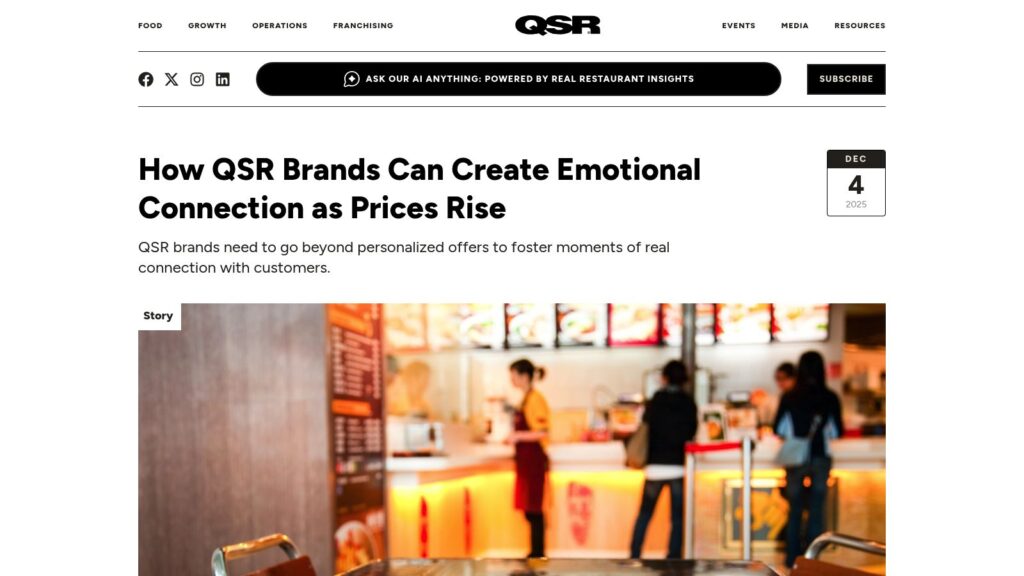
How QSR Brands Can Create Emotional Connection as Prices Rise

QSR brands face challenges due to rising prices and changing consumer habits. To maintain loyalty, they must foster emotional connections rather than focus solely on discounts. Key strategies include enhancing customer experience, embracing cultural relevance, and personalizing interactions. Establishing a meaningful brand identity across all customer touchpoints and ensuring technology enhances rather than overshadows service will drive enduring relevance in a competitive landscape.

https://www.qsrmagazine.com/story/how-qsr-brands-can-create-emotional-connection-as-prices-rise/

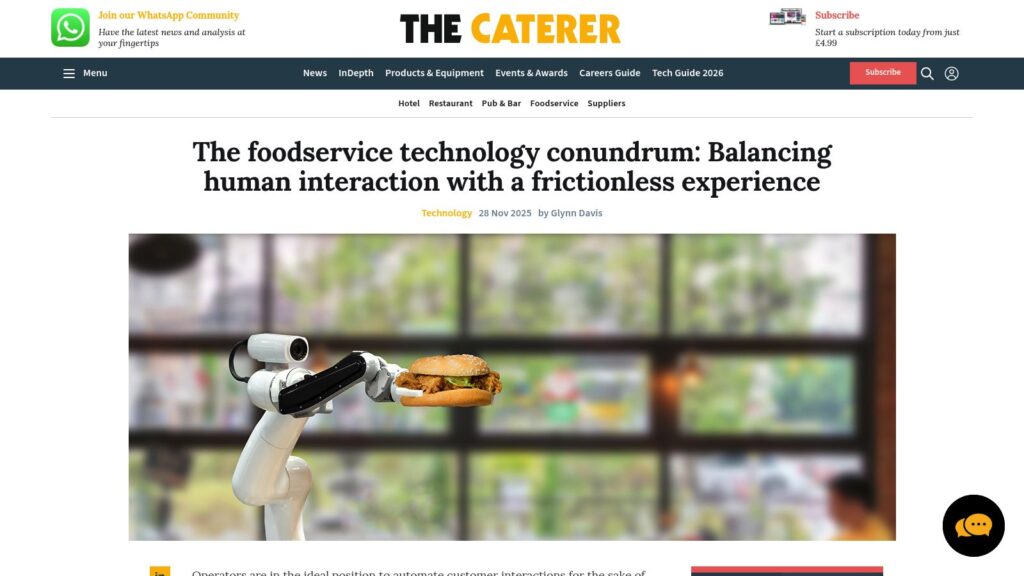
The Foodservice Technology Conundrum: Balancing Human Interaction With a Frictionless Experience

Foodservice operators seek to balance technology and human interaction. Research shows most prioritize a mix of both, with strong interest in mobile payments and personalized experiences. Automation is valued for efficiency but concerns exist about losing personal touch. Data analysis is crucial for enhancing customer experiences and operational efficiency. The industry leans toward integrating tech, such as AI and robotics, to streamline processes while maintaining customer engagement.

https://www.thecaterer.com/indepth/the-foodservice-technology-conundrum-balancing-human-interaction-with-a-frictionless-experience

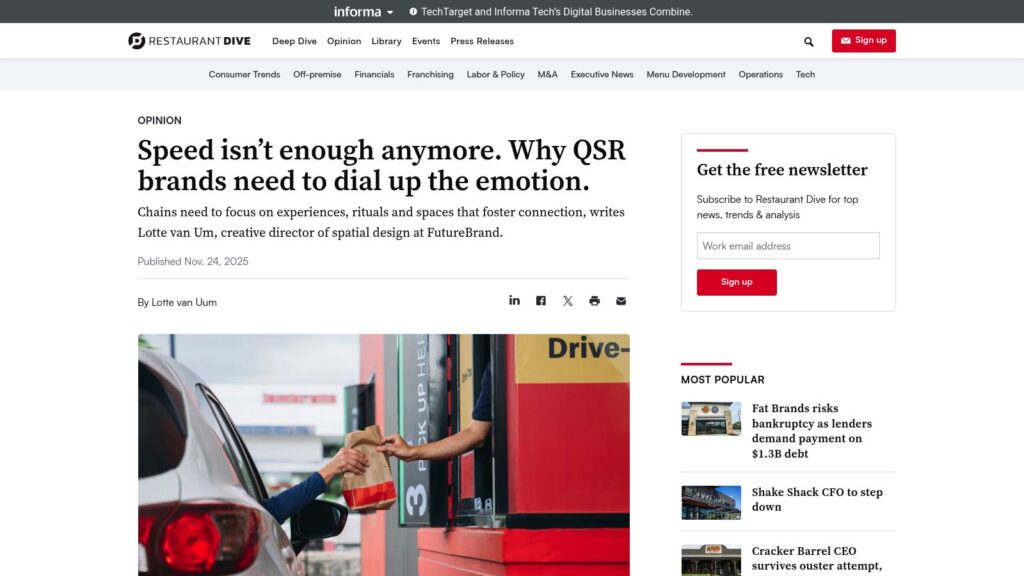
Speed Isn’t Enough Anymore. Why QSR Brands Need to Dial up the Emotion.

QSR brands must enhance emotional connections to attract and retain customers in a competitive market. Instead of focusing solely on speed, they should create meaningful experiences, localize designs, and foster community connections. Engaging rituals and empowered staff can enrich customer interactions, turning venues into inviting cultural spots rather than mere fast food locations. Brands that adapt by emphasizing emotional engagement will differentiate themselves and thrive.

https://www.restaurantdive.com/news/why-qsr-restaurants-need-to-dial-up-the-emotion/804693/

Gen Z Vs. Gen X: Winning Both Generations at the QSR Checkout

Summary: QSRs must attract both Gen Z and Gen X by personalizing the checkout experience. Gen Z prefers novel, edgy offers, while Gen X values stability and bundles. Tailoring offers based on real-time data at checkout can boost customer satisfaction and sales. Brands that understand customer preferences enhance loyalty and revenue, making the checkout a key moment for engagement.

https://www.restaurantdive.com/spons/gen-z-vs-gen-x-winning-both-generations-at-the-qsr-checkout/804011/

Limited-service Visits Decline as Customer Service, Value Perceptions Hit New Lows

Limited-service restaurants face a crisis as visits decline 1.6% in early 2025 despite projected 4.3% sales growth. Customers report increased complaints about service, wait times, and quality, with a shift in value perception towards quality over price. “Sauce-flation,” where extra charges for condiments frustrate consumers, is notable. Brands improving their reputation, like Hardee's, focus on menu innovation and operations, emphasizing quality and service to attract traffic.

https://www.fastcasual.com/news/limited-service-visits-decline-as-customer-service-value-perceptions-hit-new-lows/

How Restaurants Can Put Service Back Into AI Innovation

AI in restaurants can enhance service if trained specifically for hospitality, yet many pilots fail due to generic implementations. Unique challenges in high-pressure environments require specialized AI for optimal customer experience. Companies need to prioritize real-world functionality over flashy demos, ensuring AI reflects their brand values and effectively interacts with customers. Success stories emphasize the importance of tailored training and roles, proving that with the right approach, AI can be an effective team member in the restaurant industry.

https://www.qsrmagazine.com/story/how-restaurants-can-put-service-back-into-ai-innovation/

Scroll to Top