Report: Loyalty Is QSR’s Primary Growth Engine

Par Technology's 2026 QSR Operational Index Report reveals that customer loyalty is now the primary growth driver for quick-service restaurants (QSR), with loyalty transactions growing 28.5% year-over-year and loyalty members spending more per visit than anonymous guests. The report highlights that digital channels, especially drive-thru and delivery, are reshaping sales patterns, while dinner and late-night periods generate the highest revenues, emphasizing the importance of integrating loyalty programs with operational efficiency and channel strategies to boost revenue amid rising costs.

https://www.franchising.com/articles/20260511_report_loyalty_is_qsrs_primary_growth_engine.html

The QSR Refresher War Is Intensifying – Here’s Why

Quick-service restaurant (QSR) chains are increasingly competing with their own versions of fruit-forward refreshers, a trend popularized by Starbucks in 2012 and now mainstream across brands like Dunkin’, McDonald’s, and Panera. These colorful, often caffeinated beverages appeal to younger consumers, offering menu diversity and social media appeal, while the trend is evolving toward healthier, more functional ingredients and innovative flavors beyond traditional sweet and sour profiles.

https://foodinstitute.com/focus/the-qsr-refresher-war-is-intensifying-heres-why/

Evolving Kitchen Operations Are Helping QSR Brands Navigate Supply and Cost Uncertainties

Quick-service restaurant (QSR) brands in India are evolving their kitchen operations to address rising input costs, labor challenges, and supply chain unpredictability while meeting growing delivery demand. This includes adopting smaller, more efficient kitchen footprints, leveraging cloud kitchens for operational flexibility, standardizing processes via automation, integrating inventory intelligence with AI-driven systems, and designing focused menus to improve efficiency and consistency—changes that are shaping which brands will successfully scale in the complex Indian market.

https://qsrmedia.asia/executive-insights/commentary/evolving-kitchen-operations-are-helping-qsr-brands-navigate-supply-and-cost-uncertainties

Quick Service Restaurant It Market Analysis By Application, Type, Technology, and Geography – Global Industry Outlook and Forecast 2026-2033

The Quick Service Restaurant (QSR) IT market, valued at $11.99 billion in 2026, is expected to grow at a CAGR of 6.34% from 2026 to 2035, reaching approximately $19.61 billion. This growth is driven by increasing adoption of digital technologies such as mobile ordering, AI, and cloud computing to enhance operational efficiency and customer experience, alongside rising investments and expanding applications across key regions including North America and Asia-Pacific. The market is characterized by rapid digital transformation, integration of innovative IT solutions, and a focus on sustainability, with strategic partnerships and regulatory compliance shaping its competitive landscape.

https://www.openpr.com/news/4492066/quick-service-restaurant-it-market-analysis-by-application

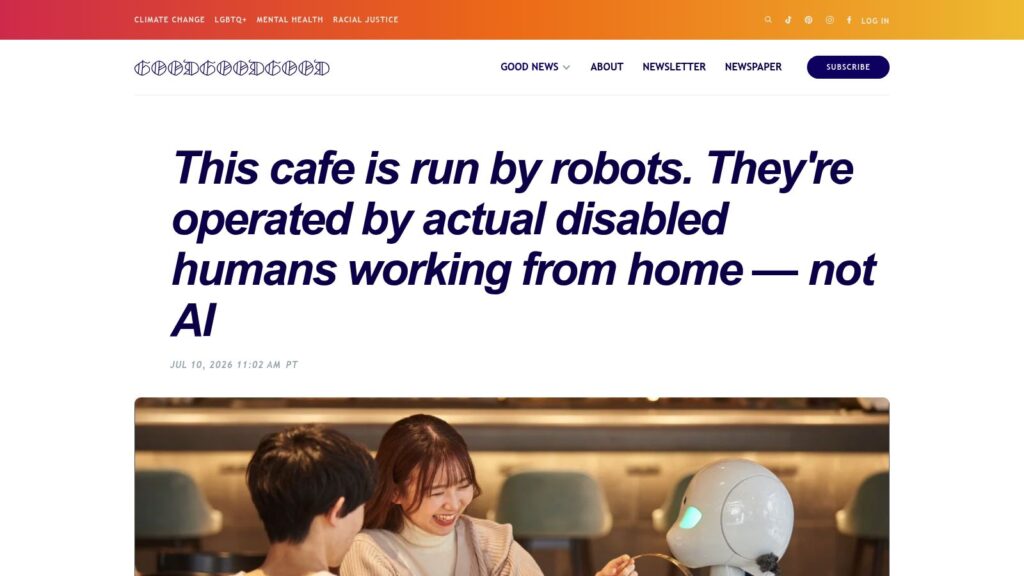
Rising Costs, Falling Margins: Why Restaurants Must Deploy Workflows, Not Just Robots

The restaurant industry faces rising food and labor costs along with staffing challenges, pushing operators to adopt robotics automation not to replace staff but to handle repetitive, low-value tasks like food delivery and floor cleaning. Successful implementation depends on redesigning workflows around these robots to integrate them smoothly into operations, enhancing efficiency and guest experience rather than disrupting service.

https://www.fastcasual.com/blogs/rising-costs-falling-margins-why-restaurants-must-deploy-workflows-not-just-robots/

A Day In The ‘Life’ Of a Food Delivery Robot: Lots Of Waiting And a Few Collisions

A Block Club Chicago reporter and photographer spent a day following a Coco food delivery robot in Lakeview, documenting its activity over seven hours, during which it made four deliveries while experiencing periods of waiting and a few minor collisions. The article highlights the robot’s cautious navigation of busy pedestrian areas, varied public reactions, and ongoing concerns about safety and job displacement amid Chicago’s pilot program for personal delivery devices.

https://blockclubchicago.org/2026/04/28/a-day-in-the-life-of-a-food-delivery-robot-lots-of-waiting-and-a-few-collisions/

Are Restaurant Customers Starting to Feel Digital Fatigue?

The 14th edition of William Blair’s restaurant tracker reveals that consumer engagement with restaurants has declined, with fewer people dining out frequently and an increased preference for face-to-face interaction over digital ordering methods. Despite lower visit frequencies, average spending has risen, particularly among lower-income groups, while convenience and cost remain key factors influencing restaurant choice; the findings also suggest potential early signs of digital fatigue, with some consumers favoring traditional ordering over apps and kiosks.

https://www.qsrmagazine.com/story/are-restaurant-customers-starting-to-feel-digital-fatigue/

Nearly Half of Consumers Say Their Favorite Restaurant Chain Has Changed in The Last Year, According to New Report

Tillster’s 2026 Phygital Index Report reveals that 45% of U.S. consumers say their favorite restaurant chain has changed in the past year, signaling a sharp decline in diner loyalty. The report highlights that diners are prioritizing food quality, convenience, and speed over price, leading to a shift away from traditional fast-food and fast-casual chains toward convenience and grocery stores, and emphasizing the need for restaurants to focus on seamless, personalized experiences rather than discounting to retain customers.

https://www.streetinsider.com/Globe+Newswire/Nearly+Half+of+Consumers+Say+Their+Favorite+Restaurant+Chain+Has+Changed+in+The+Last+Year%2C+According+to+New+Report/26332963.html

Where Do You See the Future of the Restaurant Industry? Any Emerging Trends You’re Excited About?

The restaurant industry has undergone significant changes in recent years, especially in response to the pandemic, with a notable shift toward off-premise dining, carryout, and third-party delivery services. Multi-unit franchisees highlight the growing role of technology, including AI and predictive analytics, to improve operations, customer experience, and labor management, while emerging trends focus on convenience, diverse global flavors, and new dining formats blending quick service with fine dining.

https://www.franchising.com/articles/20260420_where_do_you_see_the_future_of_the_restaurant_industry_any_emerging_tre.html

Creator Is Making a Comeback, Only This Time as a Platform Player and Not ‘Robot Theater’

Creator, a robotic restaurant company known for its consumer-facing automated burger-making, is making a comeback by pivoting from running its own locations to providing a robotic burger platform for existing restaurant brands. The company has redesigned its technology to integrate as back-of-house infrastructure for other operators, aiming to move beyond “robot theater” and scale through partnerships with established restaurants.

https://thespoon.tech/creator-is-making-a-comeback-only-this-time-as-a-platform-player-and-not-robot-theater/

Scroll to Top