People, Not Equipment Will Key Starbucks’ Comeback
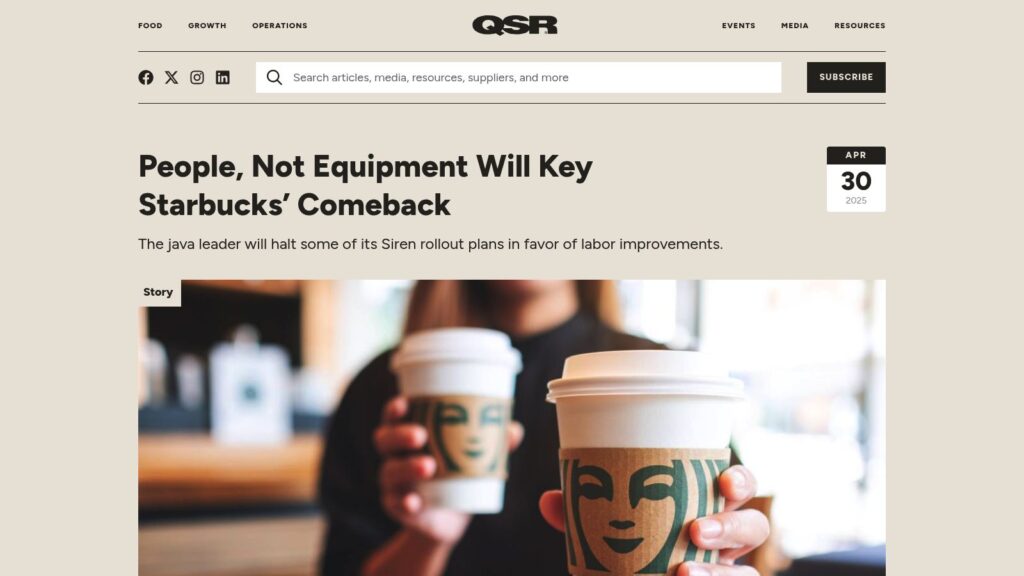
Starbucks plans to focus on improving staffing and customer experience rather than relying on new equipment, as previous investments in technology didn’t yield desired results. CEO Brian Niccol emphasizes connecting with customers and addressing long wait times. Efforts include a “green apron service model” and enhanced staffing for peak hours, resulting in faster service and lower employee turnover. Starbucks is also working on menu innovations, marketing strategies, and restoring its community coffeehouse atmosphere. Overall, strategies aim to strengthen customer relations and drive sales as the chain navigates a competitive environment.

https://www.qsrmagazine.com/story/people-not-equipment-will-key-starbucks-comeback/
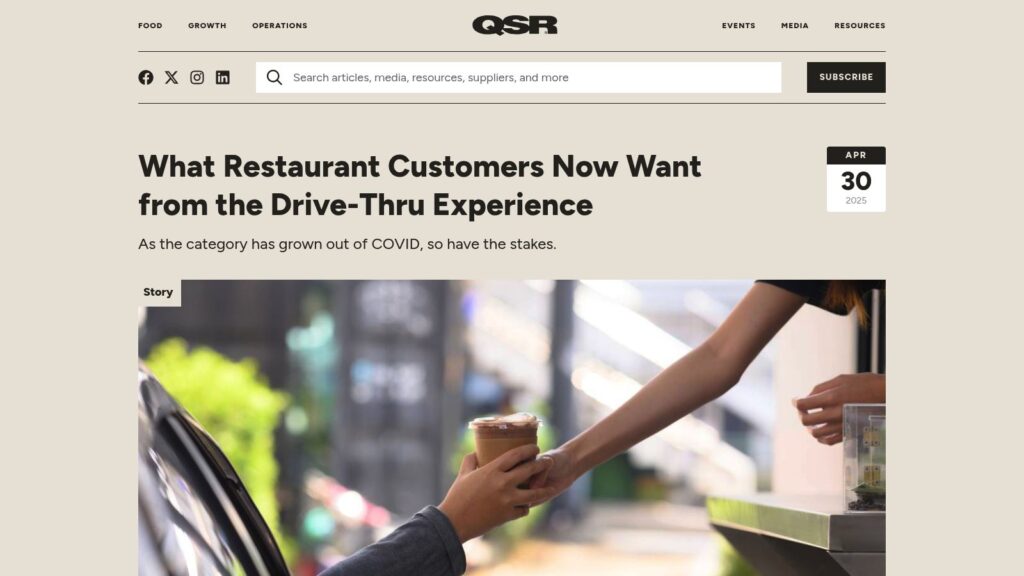
What Restaurant Customers Now Want From the Drive-Thru Experience

Drive-thru preferences have evolved post-COVID, with 81% of customers wanting discounts for less busy times. Off-premises dining is now vital, with 75% of orders taken to go. Younger generations value takeout, while speed (94%) and customer service (over 90%) are crucial. Customers seek improved food quality, reduced wait times, better order accuracy, and enhanced food packaging. Discounts, combo meals, and loyalty programs drive preferences, with AI ordering interest growing among Gen Z and millennials.

https://www.qsrmagazine.com/story/what-restaurant-customers-now-want-from-the-drive-thru-experience/

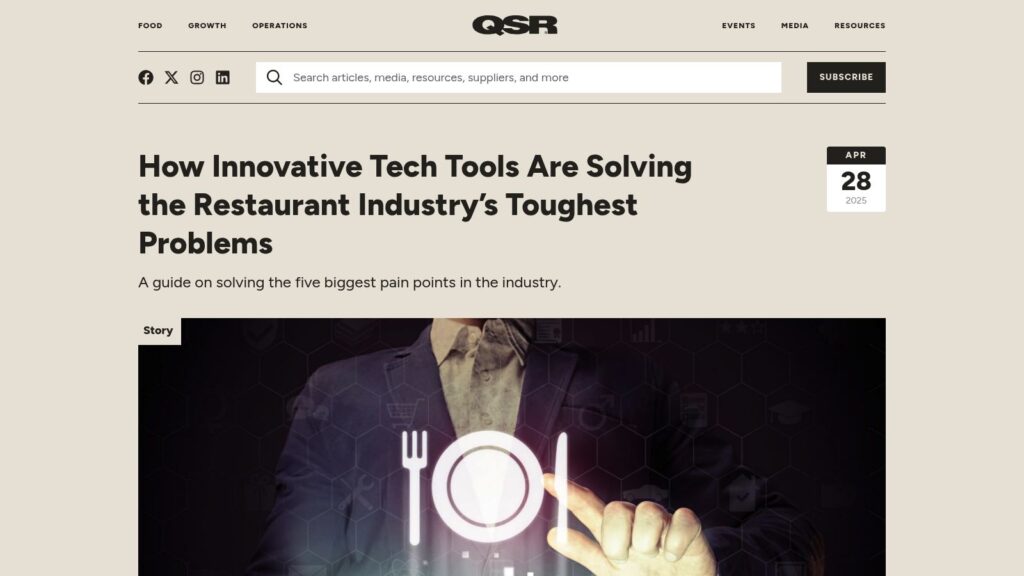
How Innovative Tech Tools Are Solving the Restaurant Industry’s Toughest Problems

Tech tools in the restaurant industry tackle five main challenges: driving traffic, increasing check size, improving training, managing costs, and enhancing operational efficiency. In 2024, 73% of operators boosted tech investments to address these issues amid rising costs and changing consumer behavior. Solutions include AI-driven personalized marketing, self-serve kiosks for upselling, mobile training platforms for staff engagement, real-time inventory management tools, and automated tech support services. Embracing these innovations helps create stronger, resilient businesses by enhancing guest experiences and profitability.

https://www.qsrmagazine.com/story/how-innovative-tech-tools-are-solving-the-restaurant-industrys-toughest-problems/

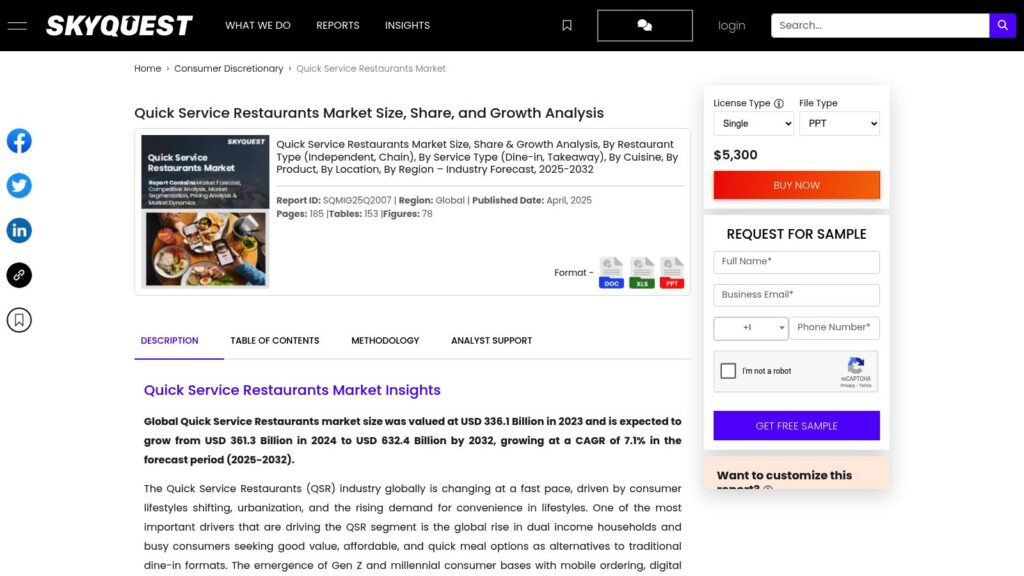
Quick Service Restaurants Market Size & Share

Global Quick Service Restaurants (QSR) market projected to grow from $336.1B in 2023 to $632.4B by 2032, at a 7.1% CAGR. Driven by changing consumer lifestyles, urbanization, and demand for convenience. Key trends include digitalization, AI integration for efficiency, and sustainability focus. Dine-in remains the largest segment, while delivery is the fastest-growing. Major markets include North America, Europe, and Asia-Pacific, with competitive strategies emphasizing plant-based menu options and tech innovations. Challenges include labor shortages and regulatory hurdles.

https://www.skyquestt.com/report/quick-service-restaurants-market

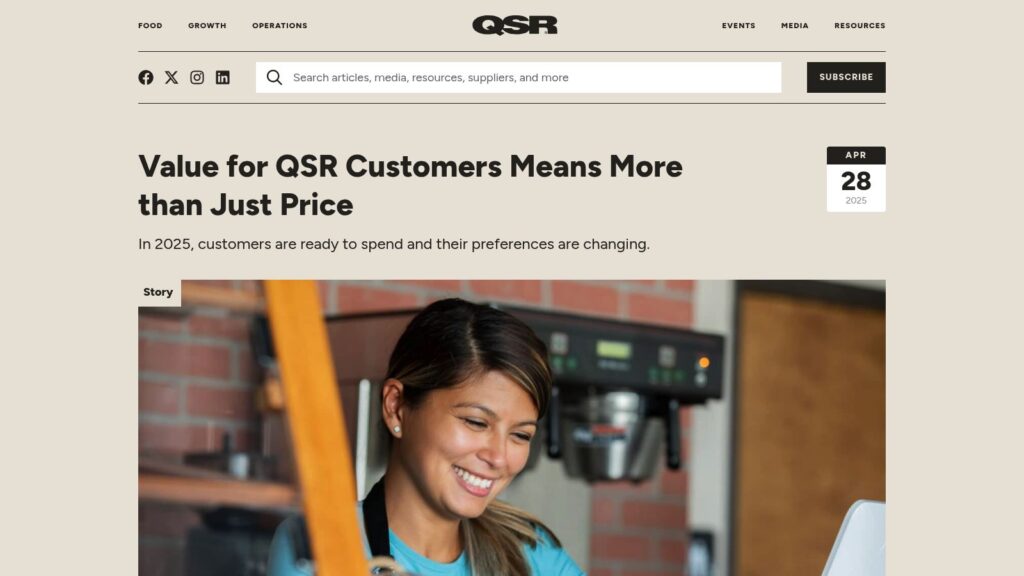
Value for QSR Customers Means More Than Just Price

QSRs must go beyond price to engage customers effectively. In 2025, preferences shift towards personalized and rewarding experiences as dining becomes more competitive. Relying on discounts attracted customers but failed to foster loyalty. Future strategies should include enhancing in-person experiences, introducing seasonal and unique menu items, and creating promotions tied to community events. Integrating physical and digital interactions will strengthen customer relationships and drive repeat visits, ensuring QSRs remain relevant and appealing.

https://www.qsrmagazine.com/story/value-for-qsr-customers-means-more-than-just-price/

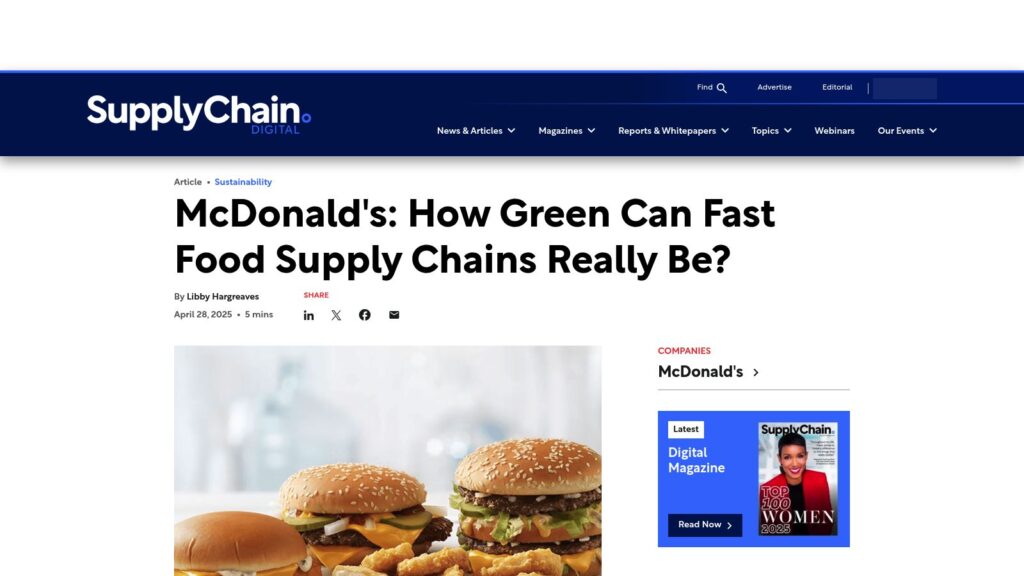
McDonald’s: How Green Can Fast Food Supply Chains Really Be?

McDonald’s is intensifying sustainability efforts amidst challenges posed by its vast supply chains. Despite achieving milestones, like sourcing 100% cage-free eggs in the US, critics highlight that such measures don’t guarantee cruelty-free practices. McDonald’s is exploring ethical sourcing, packaging sustainability, and innovative designs, like circular restaurant concepts in France. However, ongoing expansion raises questions about the company’s true sustainability. Community initiatives and reducing plastic use are steps forward, but the relentless demand for fast food complicates achieving comprehensive sustainability.

https://supplychaindigital.com/sustainability/can-mcdonalds-ever-be-truly-sustainable

The Impact of QSR Promotions in Q1 2025

Q1 2025 QSR Promotions Impact Summary
QSRs faced a 1.6% traffic decline in Q1 2025. Yum! Brands saw a 2.9% increase, driven by Taco Bell, while RBI’s traffic dropped by 3.4%. Wingstop experienced a 4.3% rise, boosted by T-Mobile promotions and Super Bowl demand, with visits up 55.9% and 56.8% on respective promotional days. Taco Bell’s frequent visitors grew significantly, aided by an 11.7% increase in January 2025, likely due to the new Luxe Cravings Box. Strategic promotions contributed to significant traffic increases amid overall challenges in the sector.

https://www.placer.ai/anchor/articles/the-impact-of-qsr-promotions-in-q1-2025

6 Best Restaurant POS Systems: Ranked and Reviewed (2025)

6 Best Restaurant POS Systems for 2025: Overview

  1. SpotOn: Best for growing restaurants seeking flexibility and a free startup plan ($99/month).
  2. Square Point of Sale: Ideal for small teams needing a budget-friendly, user-friendly POS (Free/$29+/month).
  3. Petpooja: Tailored for Indian restaurants needing customization ($117.50/year).
  4. Clover: Great for businesses wanting sleek hardware and all-in-one setups ($59.95/month).
  5. Restroworks: Suitable for larger Indian brands requiring enterprise control (Pricing on request).
  6. Toast: Designed for full-service restaurants that need powerful tools ($69/month).

Research indicates the best POS systems enhance daily operations by being easy to use, integrating with delivery platforms, and providing real-time data. Each system varies in usability, features, and pricing, catering to different restaurant types and sizes.

https://learn.g2.com/best-restaurant-pos-systems

How Restaurants Are Using Technology to Advance Sustainability (and Why It’s Not Enough)

Restaurants are increasingly using technology, like AI and smart systems, to enhance sustainability through waste reduction, energy efficiency, and water conservation. Notable examples include Chipotle’s waste management system and Wendy’s automated dishwashing technology. Despite progress, challenges remain such as high costs and lack of standardized metrics for measuring sustainability across the industry. Collaboration among various stakeholders is essential for broader implementation and scaling of sustainable practices, with the goal of making eco-friendly operations a standard rather than an aspiration.

https://restauranttechnologynews.com/2025/04/how-restaurants-are-using-technology-to-advance-sustainability-and-why-its-not-enough/

How C-stores Can Pull Loyalty From QSRs

C-stores can attract loyalty from quick service restaurants (QSRs) by offering strong value through meal deals and quality food. A recent report indicates a significant shift in consumer preferences toward c-stores and grocery eateries, driven primarily by food quality rather than cost. Despite c-stores gaining traction, many consumers still perceive better value in QSRs. C-stores are focusing on improving food offerings and introducing meal deals to enhance their appeal and compete effectively with fast food chains.

https://www.cstoredive.com/news/c-stores-loyalty-qsrs-tillster/745569/

Scroll to Top