One in 12 UK Diners Admit Dining and Dashing, Survey Finds

1 in 12 UK diners have admitted to ‘dining and dashing,' with a survey finding 8% confessing to leaving a restaurant without paying. The trend, attributed to factors like booking issues and payment preferences, could cost the industry £13.6 billion. Men (9%) and those aged 35-44 are most likely to engage in this behavior. While London has the highest incidents, overall consumer preferences indicate a desire for human interaction over technology in dining experiences. Transparency about tipping and service charges is deemed essential to strengthen customer trust.

https://www.thedrinksbusiness.com/2026/01/one-in-12-uk-diners-admit-dining-and-dashing-survey-finds/

Restaurant Labor in 2026 Becomes a Race to Do More With More

Restaurant labor costs are rising, with 96% of operators reporting increased expenditures. Strategies to cope include improving employee productivity (35%), cross-training (34%), and retaining staff (30%). Technology adoption focuses on efficiency—using tools like order-ahead systems and QR codes—rather than replacing staff. Staffing challenges persist, with many restaurants short on servers and turnover rates slightly increasing. Operators are optimizing labor management and enhancing employee satisfaction through competitive wages and flexible scheduling.

https://www.fsrmagazine.com/feature/restaurant-labor-in-2026-becomes-a-race-to-do-more-with-more/

‘You Don’t Feel Judged’: Why We Buy More at Self-service Screens

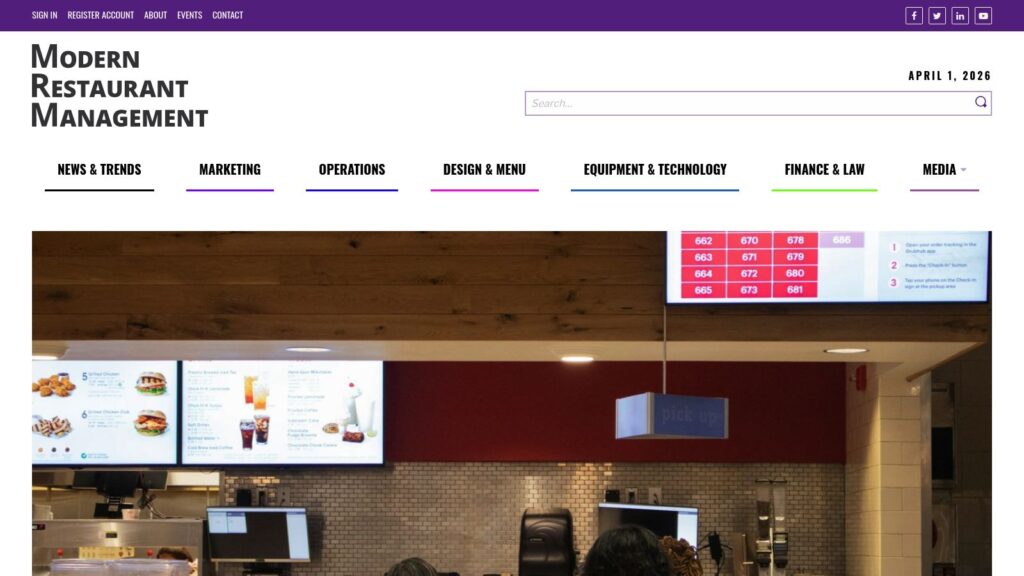
Self-service terminals in restaurants boost sales due to reduced social judgment and effective upselling. Behavioral science reveals customers spend more when purchasing via touchscreens compared to traditional tills, as they feel less pressured to decline extras. Terminal features, such as appealing product imagery and persistent upsell prompts, enhance the shopping experience. This influence is evident across various sectors, with applications of behavioral science driving consumer choices and improving engagement with products.

https://www.bbc.com/news/articles/cy9y1wvq3pdo

Why Pizza and Fast-Casual Brands Will Lead The Wave of Autonomous Delivery

Pizza and fast-casual brands are poised to lead in autonomous delivery due to their infrastructure, order density, and hybrid dispatch systems. Current delivery evolution has reached Delivery 2.0 with intelligent software for routing orders, while Delivery 3.0 will integrate autonomous vehicles and AI for improved logistics. The key to success will be sophisticated dispatch intelligence to manage diverse delivery methods. Operators must invest in hybrid orchestration and API systems now to avoid falling behind as technology rapidly advances.

https://www.pmq.com/why-pizza-and-fast-casual-brands-will-lead-the-wave-of-autonomous-delivery/

China’s Robot Kitchens Fire Up: Hangzhou’s AI Eatery Cooks 100 Dishes in Minutes

China's Hangzhou introduces the 24 Solar Terms AI Robot Restaurant, where over 10 robots prepare 100+ dishes, including noodles in three minutes. This automated venue combines traditional wellness concepts with modern robotics, tackling labor shortages and food costs. The robots handle everything from cooking to cleaning, providing consistent quality. The restaurant's unique use of AI for customized meal suggestions furthers the dining experience. As robot dining expands in China, the venue illustrates a shift towards efficient, tech-driven food service, facing challenges while reshaping the culinary landscape.

https://www.webpronews.com/chinas-robot-kitchens-fire-up-hangzhous-ai-eatery-cooks-100-dishes-in-minutes/

Robot Restaurant in China Handles Cooking, Serving, and Cleaning

China's “AI Robot Restaurant” in Hangzhou features robots cooking, serving, and cleaning, demonstrating a fully automated dining experience. Opening on Jan. 13, it aims to address labor shortages while maintaining traditional flavor. Eight robots handle over 60% of operations, with a focus on consistency and speed. This trend indicates a growing interest in robotics in the dining industry across China.

https://www.eweek.com/news/china-ai-robot-restaurant-hangzhou/

The Smarter Tech Creating Smarter Restaurants

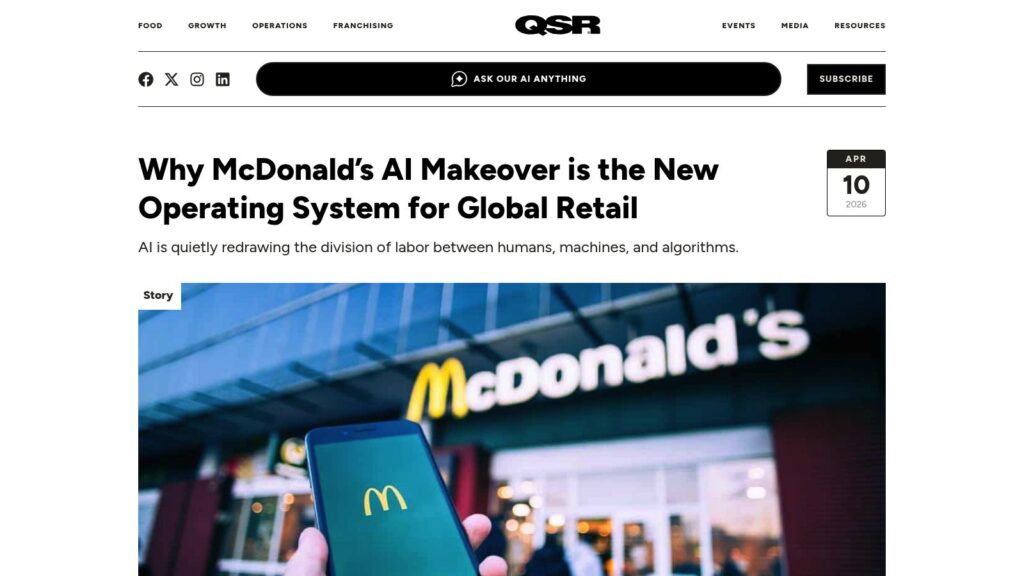
AI is transforming restaurant technology, enhancing efficiency and decision-making across operations, from payments to workforce management. Intelligent systems now analyze data in real-time, predict outcomes, and suggest actions, enabling operators to improve performance and guest experiences amid tightening margins. AI tools are automating reservations, streamlining staff scheduling, optimizing deliveries, and integrating customer-facing systems, supporting a more agile operational model. Advances in data insights further bolster forecasting accuracy, reducing waste and labor costs. The focus is on using technology to empower staff rather than replace them, creating smarter restaurant environments.

https://www.restaurantonline.co.uk/Article/2026/01/26/how-ai-is-changing-restaurant-technology-and-pos-systems/

Fast Food’s New Value Equation: Taste Beats Cheap

Fast food value now focuses on taste and quality over low prices, with 56% of consumers prioritizing flavor. Younger diners prefer snacks instead of full meals, and menu innovations that remix familiar items are favored. Poor quality drives customers away, signaling that quick-service restaurants must enhance flavor and consistency rather than rely on pricing strategies.

https://www.buzzfeed.com/business-news/qsr-consumers-prioritize-taste-quality

More Than Low Prices: How Consumers Define Value for QSRs

Consumers now define value in quick-service restaurants (QSRs) beyond low prices, focusing more on quality, taste, and emotional connection. According to Alvarez & Marsal's Crave Report, good value is increasingly seen as great-tasting food rather than just affordability, with a significant drop in loyalty linked to perceived quality. QSRs must prioritize food innovation and quality improvement over mere discounting, as quality has become crucial for retaining customers. Consumer preferences also vary based on nostalgia and familiarity, especially for breakfast items. Ultimately, navigating these dynamics is vital for QSRs to maintain competitiveness and consumer loyalty.

https://www.franchisetimes.com/franchise_news/more-than-low-prices-how-consumers-define-value-for-qsrs/article_60ec2f5e-6418-4cda-8e4b-c8af759f3876.html

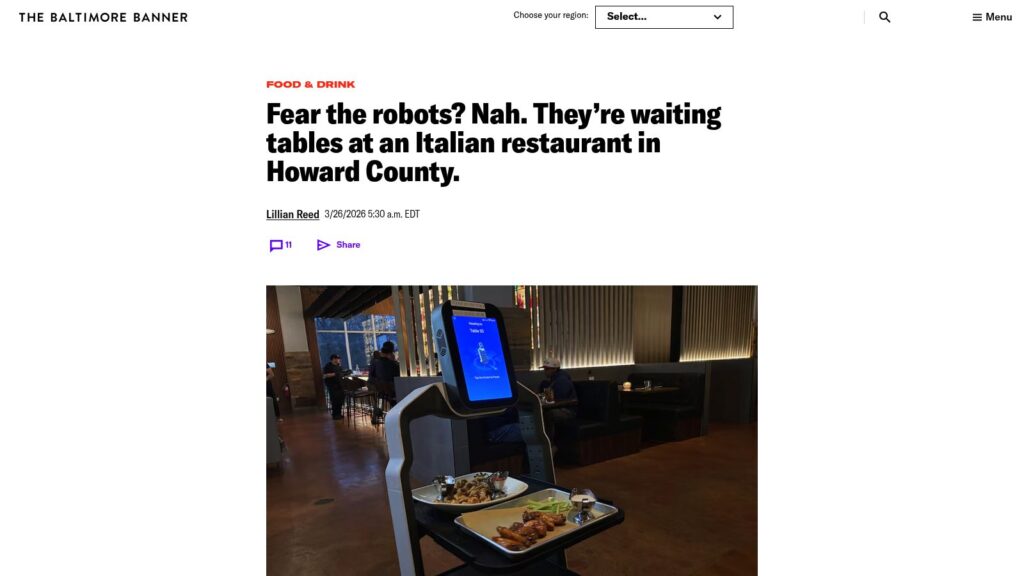
Why Human-Like Robots in Restaurant Kitchens Hurt Trust and Customer Loyalty

Humanoid robots in restaurants provoke negative reactions from diners, who perceive them as threats to human jobs. Studies show that people view these robots as morally unethical compared to non-humanoid ones, lowering their willingness to dine at such establishments. This suggests that robot design impacts customer trust and loyalty, challenging the assumption that human-like features make robots more acceptable in foodservice.

https://www.devdiscourse.com/article/technology/3781909-why-human-like-robots-in-restaurant-kitchens-hurt-trust-and-customer-loyalty

Scroll to Top