What Stadium Eateries Can Learn From Restaurants’ Tech Tools
Stadium eateries can enhance fan experiences by adopting restaurant technology such as mobile ordering and self-service kiosks, aimed at reducing wait times and boosting satisfaction. Implementing these tools can streamline service, improve menu offerings, and leverage data analytics for better operational decisions. It’s crucial to balance technological innovations with personal service, particularly in premium areas. Overall, integrating tech with a human touch can create memorable dining experiences for fans.

https://www.qsrmagazine.com/story/what-stadium-eateries-can-learn-from-restaurants-tech-tools/
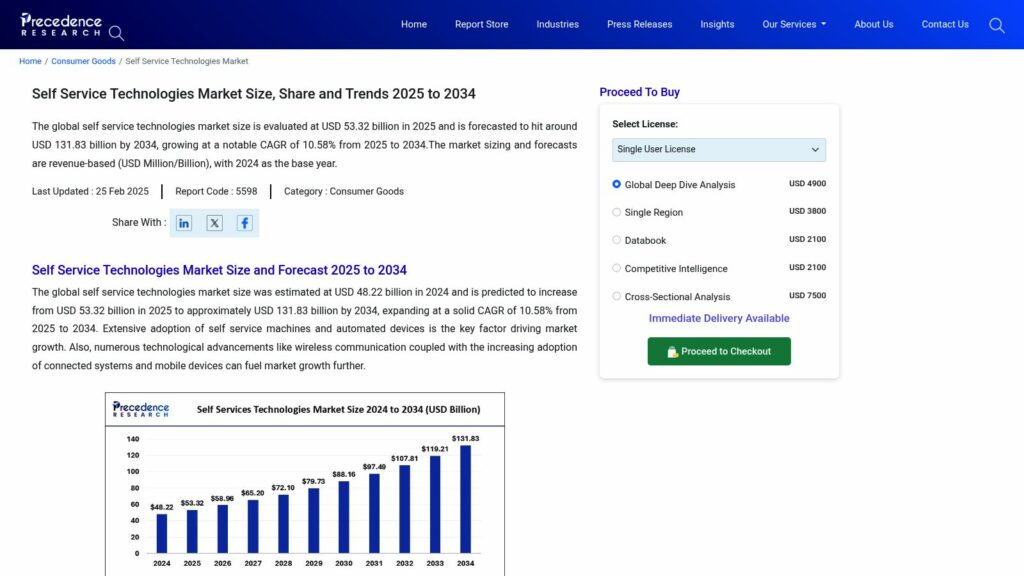
Self Service Technologies Market Size to Hit USD 131.83 Billion by 2034

Self service technologies market expected to grow from USD 53.32B in 2025 to USD 131.83B by 2034, with a CAGR of 10.58%. Key growth drivers include increased adoption of automation, AI, and demand for contactless solutions. North America leads the market, while Asia Pacific shows fastest growth. Major segments include ATMs and vending machines. Consumer preference for speed and convenience presents opportunities, despite data security concerns.

https://www.precedenceresearch.com/self-service-technologies-market

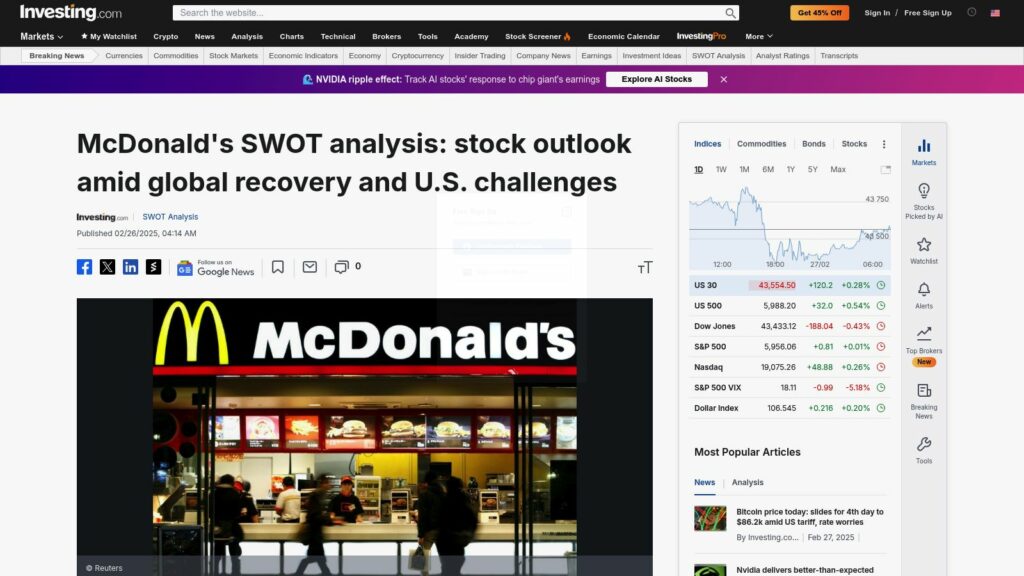
McDonald’s SWOT Analysis: Stock Outlook Amid Global Recovery and U.S. Challenges By Investing.com

McDonald’s SWOT Analysis Overview:

Strengths: Strong global brand, extensive international presence, effective marketing, robust loyalty programs.

Weaknesses: Underperformance in the U.S. market, vulnerability to food safety issues, margin pressure from value strategies.

Opportunities: International recovery, digital program expansion, menu innovation, potential market share gains.

Threats: Sluggish U.S. quick-service restaurant market, increasing competition, health trend shifts, economic downturn risks.

Conclusion: McDonald’s shows stability despite U.S. challenges, relying on international growth and new strategies to drive future performance.

https://www.investing.com/news/swot-analysis/mcdonalds-swot-analysis-stock-outlook-amid-global-recovery-and-us-challenges-93CH-3891742

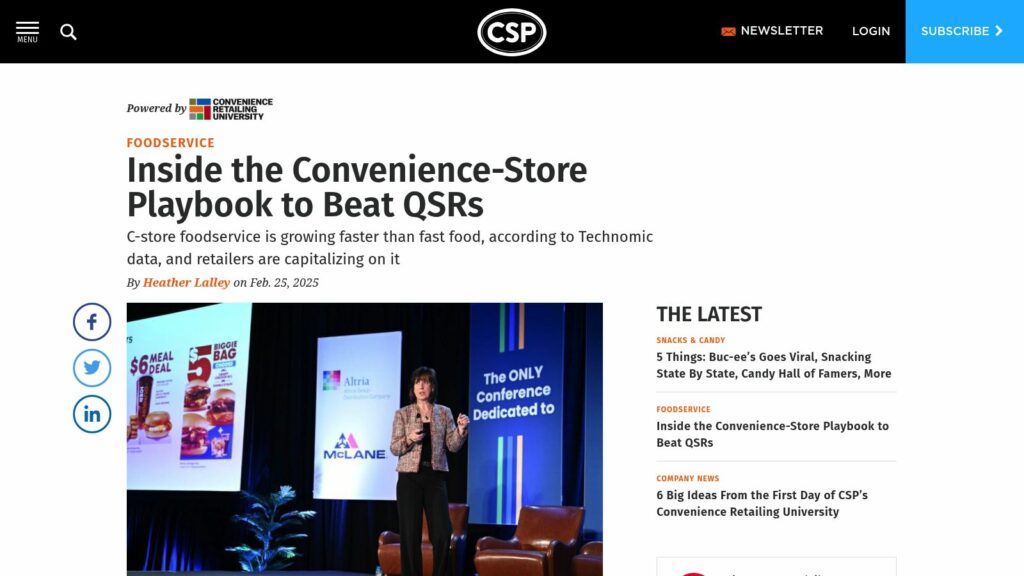
Inside the Convenience-Store Playbook to Beat QSRs

C-stores are outpacing fast food in foodservice growth. Donna Hood Crecca of Technomic highlighted their competitive edge at the Convenience Retailing University. C-stores are now considered viable options for meals and beverages, appealing to consumers seeking quality and value. With nearly 140,000 c-stores offering foodservice and expected spending hitting $27 billion, c-stores can leverage their format variety and multi-tasking convenience to attract customers. To compete against QSRs, they must emphasize price, quality, and innovation, while developing signature menu items. They’re gaining ground in “share of stomach” from fast-food chains.

https://www.cspdailynews.com/foodservice/inside-convenience-store-playbook-beat-qsrs

McDonald’s & OMD Romania First to Test Teads’ Omnichannel Brand Lift Study Powered by Cint, Achieving Uplifts Across All KPIs

McDonald’s Romania and OMD Romania tested Teads’ new Omnichannel Brand Lift Study, achieving significant uplifts in key performance indicators (KPIs) including Brand Recommendation, Favorability, and Purchase Intent. This marks a first in the CEE region, demonstrating the effectiveness of Teads’ omnichannel approach in enhancing brand metrics and consumer engagement through advanced methodologies powered by Cint.

https://business-review.eu/business/media-marketing/mcdonalds-omd-romania-first-to-test-teads-omnichannel-brand-lift-study-powered-by-cint-achieving-uplifts-across-all-kpis-279511

How QSRs Can Use Digital Signage to Power Growth and Guest Engagement

QSRs can drive growth and engage customers through digital signage, offering tools like dynamic menu boards, real-time promotions, and interactive displays. Benefits include increased sales, adaptability to market trends, improved customer experiences, and enhanced employee productivity. Major chains are investing in this technology due to its effectiveness in streamlining operations and enhancing customer interactions, making digital signage essential for staying competitive in the evolving quick-service restaurant landscape.

https://www.qsrmagazine.com/story/how-qsrs-can-use-digital-signage-to-power-growth-and-guest-engagement/

McDonald’s South Africa Focuses On Sustainability Through Localised Supply Chains And Digital Innovation

McDonald’s South Africa is enhancing sustainability through localized supply chains, digital innovation, and eco-friendly practices, focusing on renewable energy, waste reduction, and local sourcing to improve food security and job creation. They emphasize efficiency in operations and customer experience, using digital tools for better service.

https://za.investing.com/news/technology-news/mcdonalds-south-africa-focuses-on-sustainability-through-localised-supply-chains-and-digital-innovation-3564631

BorgWarner’s SWOT Analysis: Stock Outlook Amid EV Transition and Margin Strength By Investing.com

Restaurant Brands International (QSR), parent of Burger King, Tim Hortons, and Popeyes, shows growth through global expansion despite brand challenges. With a market cap of $29.13 billion and 19.71% revenue growth, it’s focusing on digital initiatives, comparable sales growth target of 3%, and extensive international presence. While Tim Hortons slightly underperformed, QSR’s international segment exceeds expectations. Risks include fierce competition and challenges in China. Analysts suggest potential upside in stock valuation, with price targets between $67-$93. The company maintains a strong dividend yield of 3.84% and consistent shareholder returns.

https://www.investing.com/news/swot-analysis/restaurant-brands-internationals-swot-analysis-stock-outlook-amid-global-expansion-and-brand-challenges-93CH-3873060

Scroll to Top