strategy

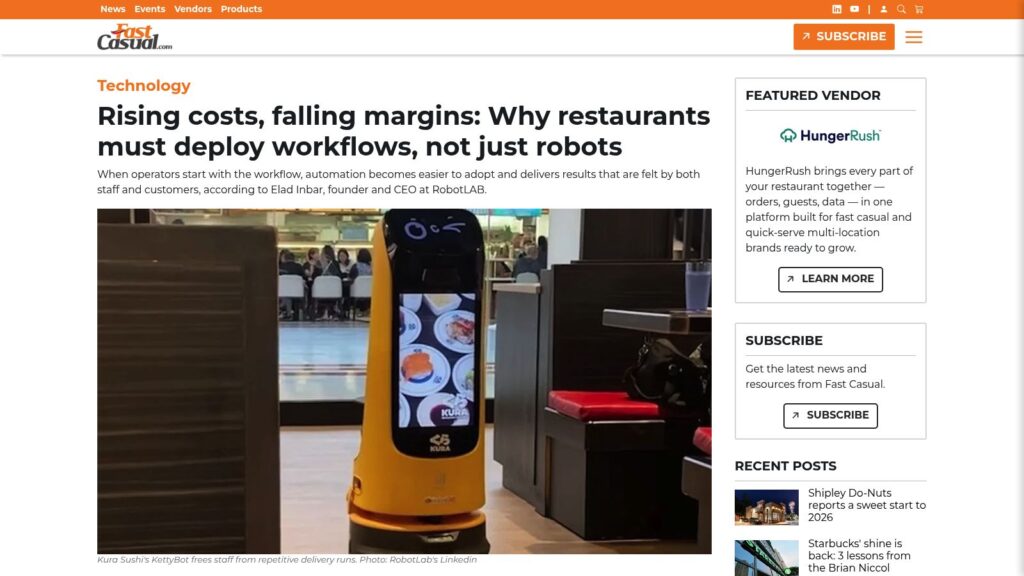
Rising Costs, Falling Margins: Why Restaurants Must Deploy Workflows, Not Just Robots

The restaurant industry faces rising food and labor costs along with staffing challenges, pushing operators to adopt robotics automation not to replace staff but to handle repetitive, low-value tasks like food delivery and floor cleaning. Successful implementation depends on redesigning workflows around these robots to integrate them smoothly into operations, enhancing efficiency and guest experience rather than disrupting service.

https://www.fastcasual.com/blogs/rising-costs-falling-margins-why-restaurants-must-deploy-workflows-not-just-robots/

QSRs Moving Beyond the Tech Vs. Human Debate

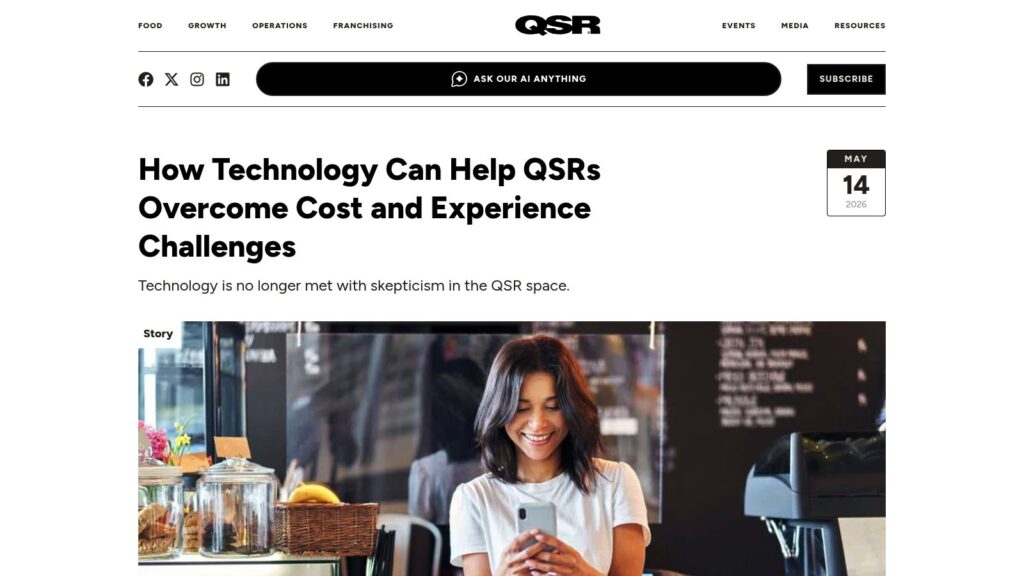
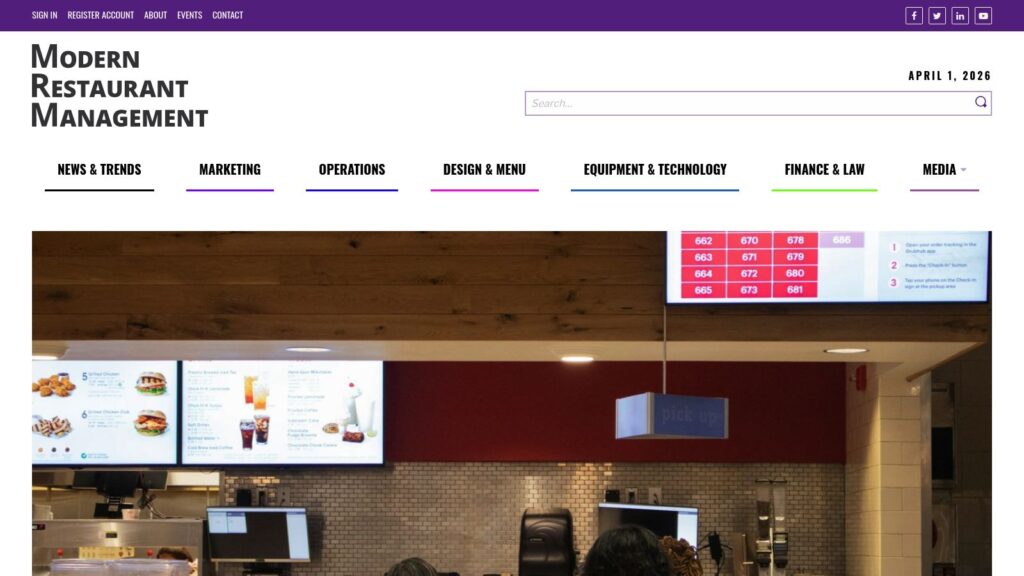
QSR operators are shifting from viewing technology and human labor as competing forces to a “marriage of convenience,” focusing on integrating technology with staff support and training to enhance both the guest and employee experience. Successful brands design tech systems that work together seamlessly, balancing automation with human interaction to improve speed, accuracy, and customer loyalty while optimizing operations.

https://modernrestaurantmanagement.com/qsrs-moving-beyond-the-tech-vs-human-debate/

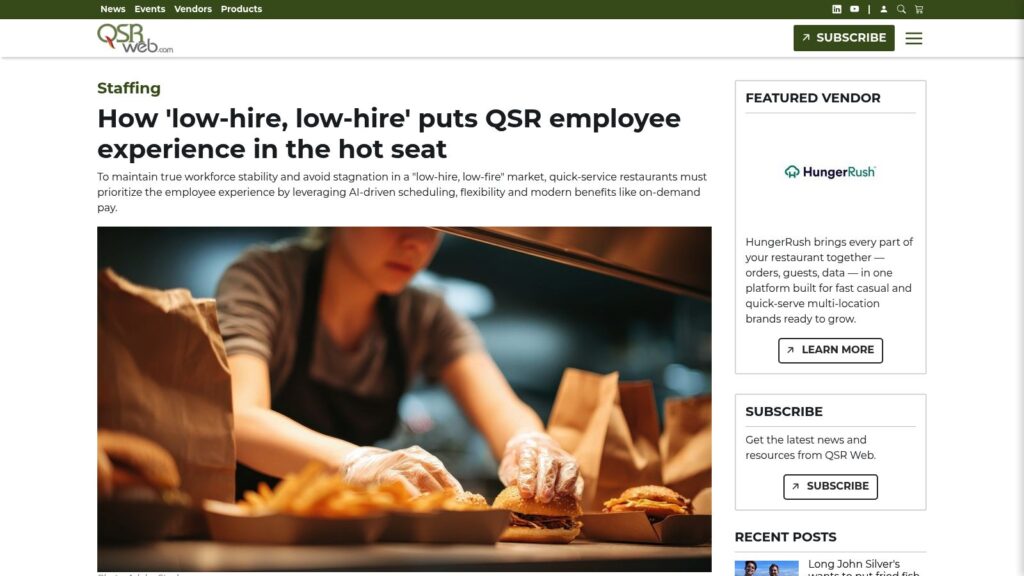
How ‘Low-hire, Low-hire’ Puts QSR Employee Experience in the Hot Seat

QSRs must enhance the employee experience to achieve workforce stability in a “low-hire, low-fire” market, leveraging AI for flexible scheduling and modern benefits such as on-demand pay. While turnover rates are declining, economic pressures and labor shortages complicate staffing. Retention strategies should focus on employee satisfaction by providing autonomy in scheduling and reducing financial stress through flexible pay. Prioritizing employee needs is essential for QSRs to foster loyalty and a productive work environment.

https://www.qsrweb.com/blogs/how-low-hire-low-hire-puts-qsr-employee-experience-in-the-hot-seat/

Scroll to Top